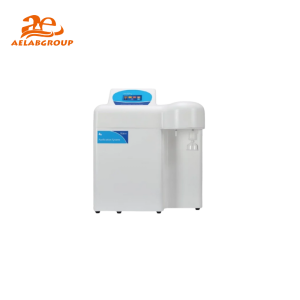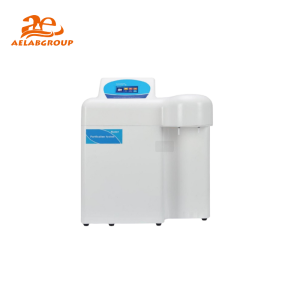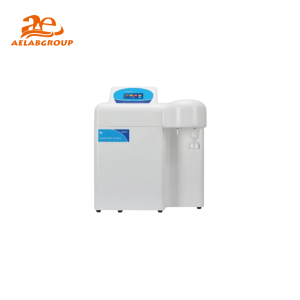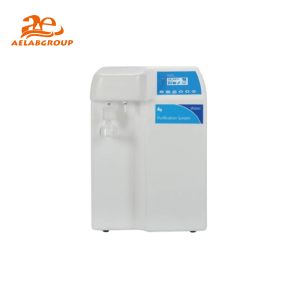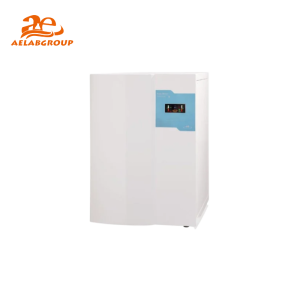
AELAB | Water Testing Equipment | Water Purification System
A Water Purification System ensures clean, safe, and great-tasting water for homes, industries, and laboratories. By removing harmful microorganisms, heavy metals, and chemical pollutants, these systems protect health, improve water quality, and meet regulatory standards for safe consumption and use.
A Water Purification System is a multi-stage setup that removes contaminants such as pathogens, chemicals, and sediments from water through physical, chemical, and biological processes. It delivers water that is safe for drinking, manufacturing, medical use, and environmental discharge. Simply put, a purification system transforms contaminated water into clean, safe, and palatable water by integrating advanced treatment technologies.
| Feature | Details |
|---|---|
| Flow Rate | 50 GPD (residential) to 100,000+ GPD (industrial) |
| Filtration Accuracy | Up to 0.0001 microns (RO membrane precision) |
| Water Recovery Rate | 50–85% depending on technology and system design |
| Energy Consumption | 0.5–5 kWh per 1000 gallons |
| Filter/Membrane Lifespan | 6 months to 5 years (usage dependent) |
| Disinfection Methods | UV light, chlorine dosing, ozone, or advanced oxidation |
| Certifications | NSF/ANSI, WQA, or ISO certification for safety and performance |
| Aspect | Water Purification | Water Filtration |
|---|---|---|
| Scope | Removes physical, chemical, and biological contaminants | Removes only physical particles |
| Technology | RO, UV, ion exchange, carbon adsorption, multi-stage | Mechanical or sediment filters |
| Safety Level | Produces water safe for drinking | May need further purification |
| Cost | Higher initial investment | Lower, but limited performance |
| Use Case | Drinking, laboratory, industrial water | Pre-filtration and general cleaning |
Q: What does a water purification system do?
A: It removes physical, chemical, and biological contaminants from water to make it safe for drinking, industrial use, or environmental release.
Q: How is purification different from filtration?
A: Filtration removes visible particles, while purification eliminates microorganisms, dissolved salts, and chemicals, producing safe potable water.
Q: How often should I replace filters?
A: Filter lifespan varies by use and water quality—typically every 6–12 months for households and more frequently for high-load industrial applications.
Q: Do purification systems waste water?
A: Some technologies like RO produce reject water, but modern systems recover up to 85% and can redirect waste for secondary uses.
Q: Are water purification systems eco-friendly?
A: Yes—by reducing bottled water dependency and improving water reuse, they support sustainable resource management.
Looking for specific lab equipment? Fill out the form below, and our team will get back to you with detailed information and a personalized quote.