

Vortex Mixers vs. Centrifuges: A Comprehensive Guide to Enhanced Lab Efficiency
1.Mix or Separate? Comparing Vortex Mixers and Centrifuges for Lab Efficiency
In laboratories, selecting the right tool for each process is crucial. Vortex mixers and centrifuges are essential lab tools, each designed for specific applications. Vortex mixers are used for quickly blending small liquid samples, while centrifuges separate sample components based on density. This article examines the differences, applications, and key considerations for optimal use of these two tools.
2. Vortex Mixers and Centrifuges
2.1 What are Vortex Mixers?
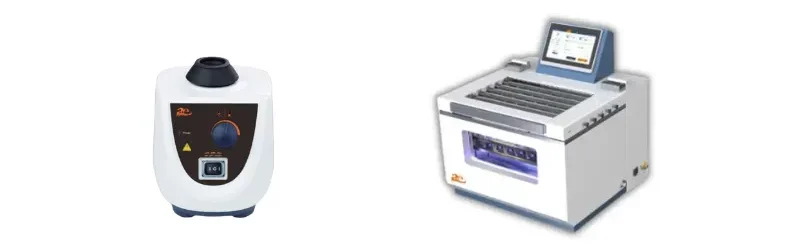
A vortex mixer is a laboratory tool used to create a vortex motion, rapidly and uniformly mixing liquid samples. These mixers are essential in chemical and biological labs for blending small samples effectively. AELab offers models like the AELab AVT-501 Vortex Mixer and Vortex Concentrator AE-GS40/AE-E24, which feature adjustable speed ranges and are ideal for precise and versatile mixing needs in research and clinical settings.
2.2 What are Centrifuges?
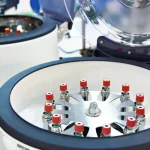
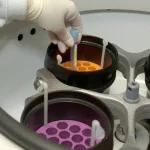
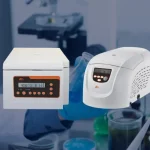
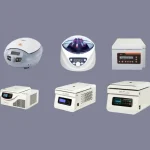
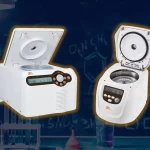
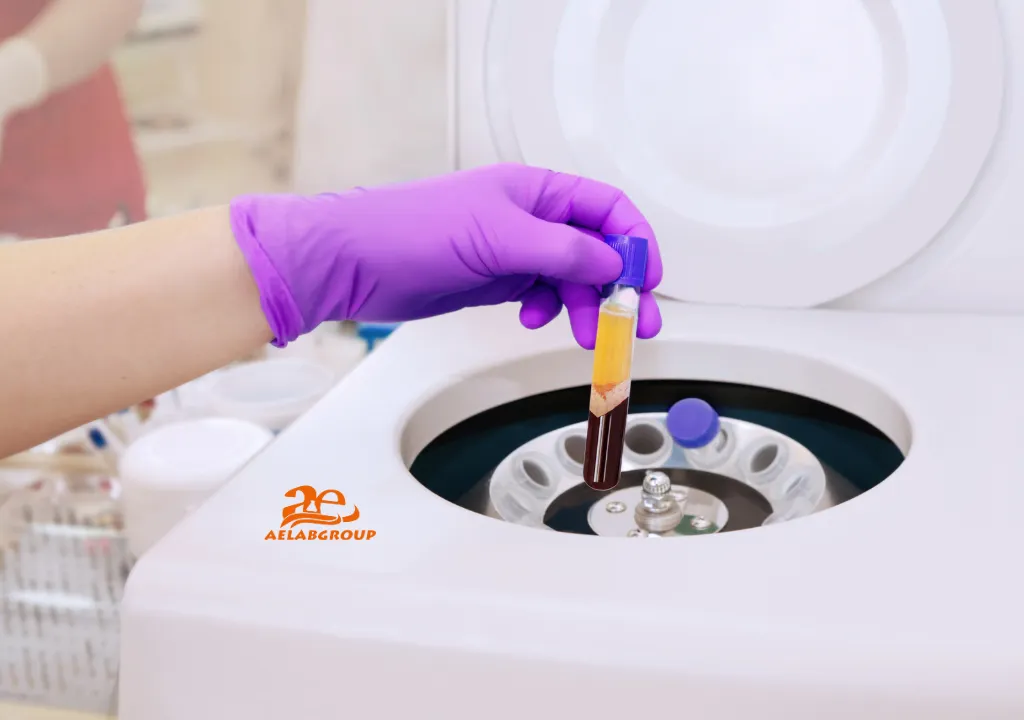
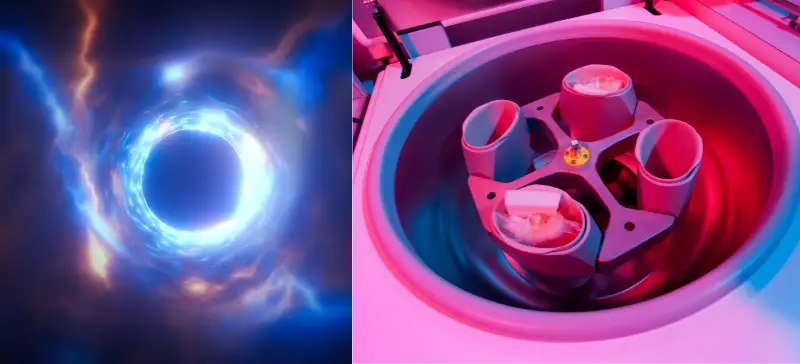
Centrifuges use centrifugal force by spinning samples at high speeds to separate components based on density, making them indispensable in applications like blood fractionation and DNA isolation. AELab provides various centrifuges tailored for different applications, including:
- Low Speed Centrifuge AE-LSC Series – Ideal for low-speed separations of sensitive samples, widely used in medical and biochemical labs.
- High Speed Mini Centrifuge AE-MC-15 – A compact, high-speed centrifuge suitable for rapid processing of small sample volumes, reaching up to 15,000 rpm.
- Hematocrit Centrifuge AE-HC-12 – Designed for hematocrit and blood cell separation, essential for diagnostic labs.
Additionally, AELab offers other centrifuge models for various laboratory needs, each engineered to meet specific requirements.
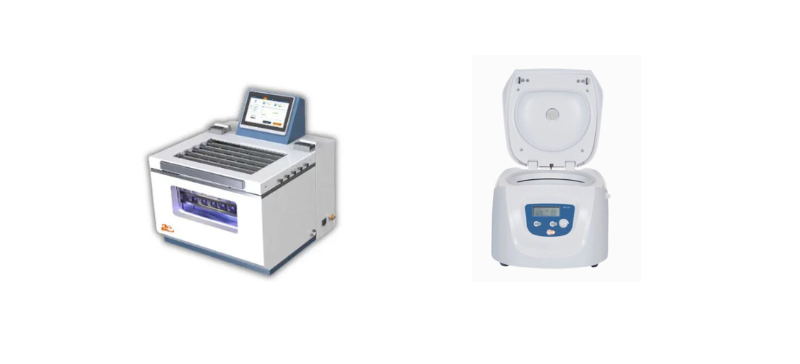
2.3 Key Differences between Vortex Mixers and Centrifuges
they are differ significantly in terms of speed, force, and applications. Vortex mixers are suitable for rapid blending, while centrifuges are designed for precise separation.
2.4Comparing Vortex Mixers and Centrifuges
| Feature | Vortex Mixer | Centrifuge |
|---|---|---|
| Speed and Force | Low speed, gentle force | High speed, centrifugal force |
| Application | Quick blending of small liquids | Density-based separation |
| Sample Type | Liquids only | Solid-liquid or liquid-liquid |
| Scale | Single sample | Multiple samples at once |
| Cost and Maintenance | Simple and economical | Expensive, requires maintenance |
3. Applications and Uses for Each Tool
3.1 Applications of Vortex Mixers
Vortex mixers are used for rapid reagent mixing, cell suspension, and solution preparation. They are highly efficient in biochemistry and cell culture labs.
3.2 Applications of Centrifuges
Centrifuges are essential for separating blood, DNA, and cellular components, making them indispensable in clinical and molecular labs.
3.3 Situations Where Both Tools Are Used
In certain processes, using both vortex mixers and centrifuges is beneficial, such as in cell culture sample preparation or DNA extraction.
3.4 Choosing the Right Tool for Laboratory Needs
Selecting the right tool based on application type, sample volume, and budget is crucial for lab efficiency.
4. Key Features in Selecting a Vortex Mixer and Centrifuge:
Vortex Mixers vs. Centrifuges
4.1 Speed and Control
Speed and control capabilities are crucial when selecting laboratory mixing and separation equipment. In a vortex mixer, speed adjustment allows for gentle or vigorous mixing suitable for sensitive samples. For centrifuges, rotation speed directly affects centrifugal force, making precise speed settings essential for accurate separation.
4.2 Capacity and Throughput
The capacity and throughput of vortex mixers should match lab needs for efficiency and time-saving. Vortex mixers typically handle low volumes and are designed for single-sample mixing. In contrast, centrifuges can process multiple samples simultaneously, making them highly efficient for high-throughput labs.
4.3 Continuous Operation Capabilities
Continuous operation capability is beneficial in both devices. Vortex mixers are ideal for continuous mixing in prolonged blending experiments, while centrifuges are valuable for extended separation tasks, especially for large samples or time-consuming processes.
4.4 Accessories and Additional Equipment
Using appropriate accessories can enhance the functionality and adaptability of both devices. For vortex mixers, tube holders and adjustable platforms are essential. For centrifuges, a variety of rotors can increase the device’s compatibility with different sample types.
5. Maintenance and Safety Considerations
5.1 Importance of Regular Maintenance
Regular maintenance enhances the longevity and performance of both devices. Vortex mixers and centrifuges require regular cleaning and inspections due to their contact with various samples, preventing contamination and performance degradation.
5.2 Safety Tips for Using the Devices
Safety precautions for both devices include ensuring a stable work surface, using protective gear, and avoiding overuse. Vortex mixers may cause strong vibrations at high speeds, while centrifuges require careful handling to prevent potential risks.
5.3 Cleaning and Care
Regular cleaning with appropriate detergents is recommended to prevent contamination. Non-corrosive materials should be used for cleaning, and following manufacturer guidelines is essential for both devices.
5.4 Using Safe Accessories
Using safe and compatible accessories ensures optimal performance and minimizes risks during operation. For both vortex mixers and centrifuges, choosing high-quality, device-compatible accessories reduces hazards and enhances efficiency.