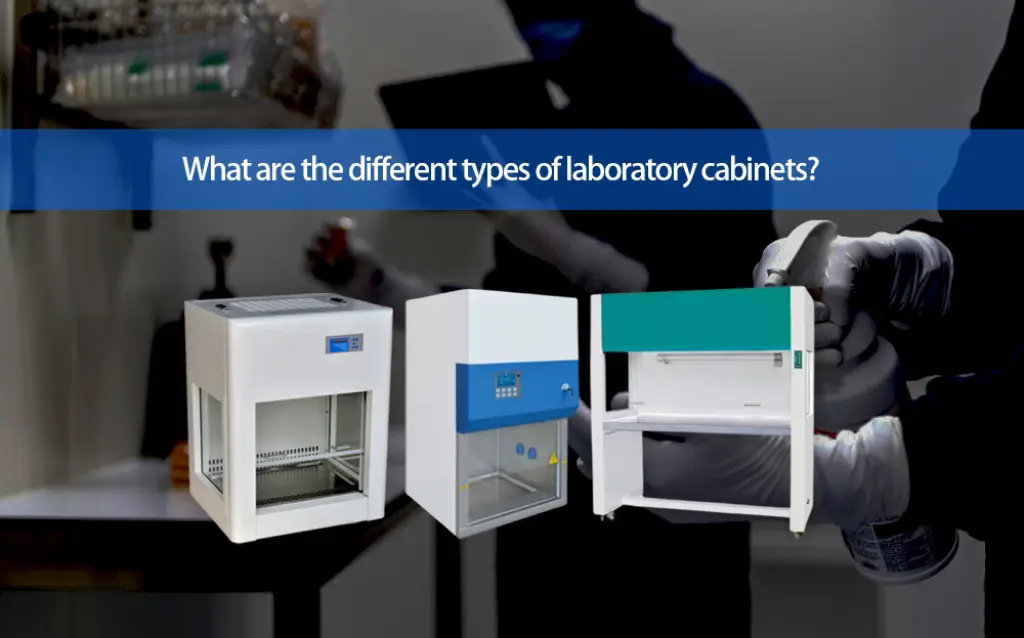
There are several types of laboratory cabinets, each designed for specific functions and purposes. Here are the main types:
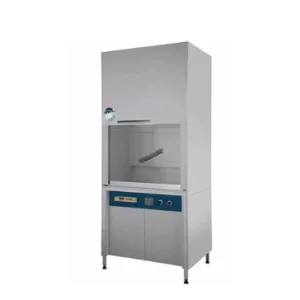
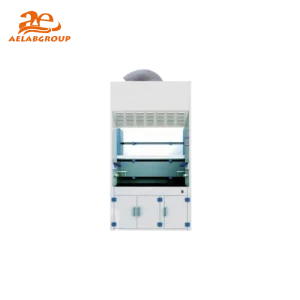
Ⅰ.Fume Hood
This type of cabinet ventilates harmful fumes, vapors, and particulates away from the user. It typically features an adjustable sash for access and airflow control, and is used for procedures involving toxic or volatile chemicals. It may come in various designs, such as standard, ductless, or perchloric acid hoods.
Functionality:
The primary function of a fume hood is to ensure a safe working environment by:
- Controlling Exposure: By drawing hazardous fumes away from the user’s breathing zone and out of the laboratory.
- Protecting Samples: Ensuring that sensitive materials are not contaminated by external airborne contaminants.
- Maintaining Air Quality: Helping to keep the laboratory environment free from harmful substances.
Ⅱ.Biosafety Cabinet
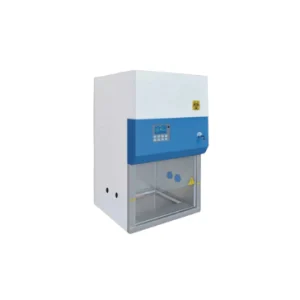
These cabinets are classified into three levels (Class I, II, and III) based on the level of protection they provide. Class I offers protection for the user and the environment but not the sample. Class II protects both the user and the sample, often used for working with moderate-risk materials. Class III provides the highest level of containment, with a glove box and HEPA filtration for both the sample and user protection.
Types of Biosafety Cabinets:
Class I BSC
- Protection: Provides protection for the user and the environment by drawing air into the cabinet and through a HEPA filter before exhausting it.
- Design: Has an open front with a sash that can be adjusted, and does not provide protection for the samples inside.
Class II BSC
- Protection: Offers protection for the user, the environment, and the samples. Air is drawn into the cabinet, filtered through a HEPA filter, and then recirculated into the work area. It also exhausts air through an additional HEPA filter to ensure no contamination.
- Design: Features a front sash and a work surface with a controlled airflow pattern, including both vertical and horizontal airflows depending on the subclass (A1, A2, or B1/B2).
Class III BSC
- Protection: Provides the highest level of protection for the user, the environment, and the samples. It is a completely enclosed cabinet with a sealed design, using glove ports for operations and HEPA filters for both intake and exhaust air.
- Design: Fully enclosed with a gas-tight seal, often used for high-risk biological agents.
Functionality:
- User Protection: Prevents exposure to potentially harmful biological agents by maintaining a controlled airflow and filtering the air.
- Environmental Protection: Ensures that hazardous materials do not escape into the laboratory environment.
- Sample Protection: Safeguards sensitive samples from contamination by ensuring a sterile work environment
Ⅲ.Chemical Storage Cabinet
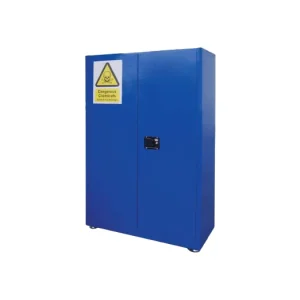
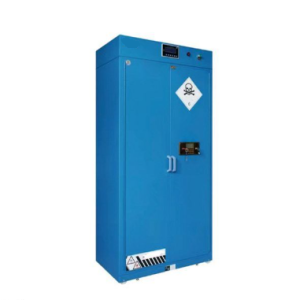
These are designed to safely store chemicals, often with features like secondary containment for spills, ventilation systems to manage vapors, and materials resistant to chemical corrosion. They help in managing hazardous materials and are often used for storing acids, bases, and solvents.
Functions
Safety: Chemical storage cabinets are built to prevent chemical spills, leaks, and accidents. They often include features such as spill containment, ventilation, and secure locking mechanisms.
Containment: They are designed to contain spills or leaks, preventing chemical exposure and contamination of the surrounding area. This includes features like spill trays or sumps at the bottom of the cabinet.
Ventilation: Some cabinets come with built-in ventilation systems to safely remove fumes, vapors, or gases that may be emitted by the chemicals stored inside.
Regulatory Compliance: They are designed to meet safety standards and regulations, such as those set by OSHA (Occupational Safety and Health Administration) or NFPA (National Fire Protection Association), ensuring proper handling and storage of hazardous materials.
Ⅳ.Laminar Flow Hood
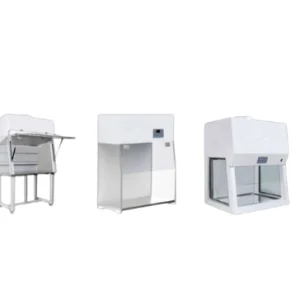
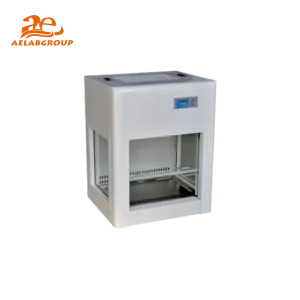
This cabinet provides a clean, sterile environment by directing filtered air in a laminar flow pattern over the work area. It’s used to protect sensitive samples from contamination and is ideal for tasks like tissue culture or electronics assembly. It can be horizontal or vertical flow, depending on the application.
Functions
Sample Protection: The laminar flow hood filters airborne particles, dust, and microorganisms to create a contaminant-free environment, preventing external contamination of samples.
Personnel Protection: Some laminar flow hoods are designed to protect the operator from potentially harmful chemicals, bacteria, or other hazardous substances.
Enhanced Efficiency: By reducing the risk of contamination, laminar flow hoods improve the accuracy and reliability of experiments and production processes.

Ⅴ.Acid/Base Cabinet
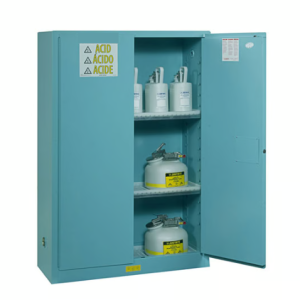
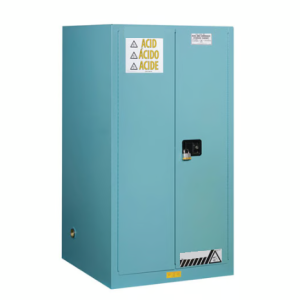
Designed specifically to handle and store highly corrosive chemicals like acids and bases. These cabinets are typically made from materials resistant to chemical damage, such as polyethylene or epoxy-coated steel, and feature spill containment and ventilation systems to manage chemical vapors and prevent accidental exposure.
Functions
Safety: The primary function of an Acid/Base Cabinet is to ensure the safe storage of corrosive substances. It typically features robust construction and design elements that help contain spills and neutralize leaks.
Containment: The cabinet is designed to contain and control any accidental spills or leaks of corrosive chemicals. It often includes features like spill containment trays or sumps.
Ventilation: Many acid/base cabinets are equipped with ventilation systems to remove harmful fumes or vapors generated by the chemicals stored inside. This helps to maintain a safe working environment.
Corrosion Resistance: The cabinet is constructed from materials resistant to corrosion and damage from acids and bases, such as polyethylene, polypropylene, or coated metals.
What is laboratory cabinet?
A laboratory cabinet is a specialized storage unit designed to hold and protect lab equipment, chemicals, and samples. Typically made of durable materials like steel or chemical-resistant laminate, these cabinets ensure safety by offering secure containment and preventing contamination. They often feature ventilation systems, adjustable shelves, and lockable doors to accommodate various lab needs and maintain optimal working conditions. The ultimate goal is to provide an organized, safe environment that enhances lab efficiency and safety.