

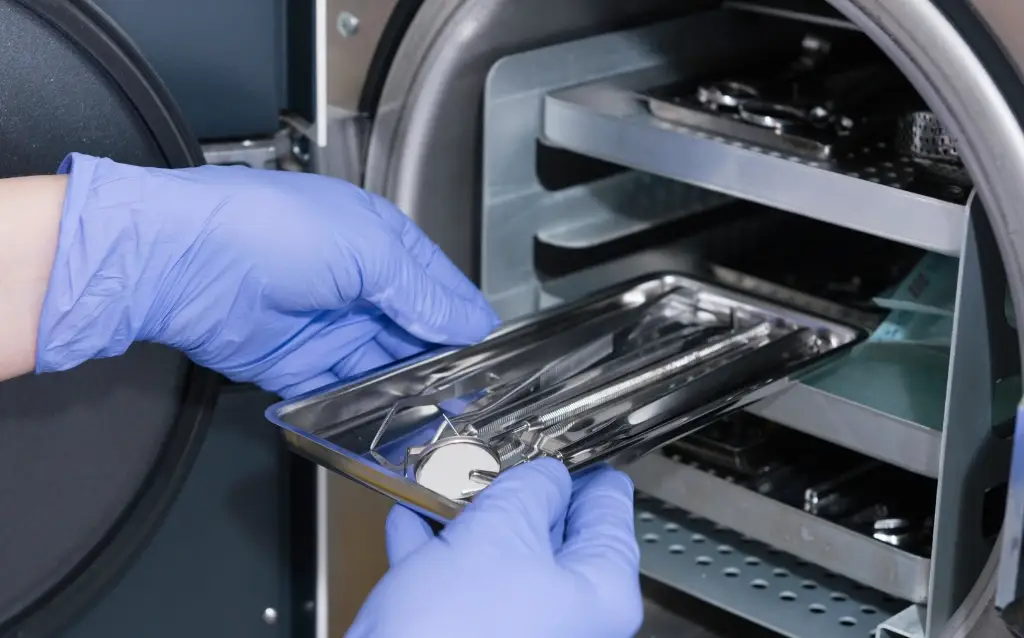
An autoclave is a powerful sterilization tool that uses high-pressure steam to eliminate harmful microorganisms, bacteria, and spores. It operates by creating a sealed environment, where steam is injected into the chamber under pressure. The steam reaches temperatures of 121°C to 134°C, effectively killing contaminants on equipment, instruments, and materials. This process ensures a safe, sterilized environment for use in medical, laboratory, and industrial settings.
Autoclaves are essential for disinfecting reusable tools and decontaminating biohazardous waste. By using controlled heat, pressure, and time, they can handle a wide range of materials, including glassware, liquids, and solid items. The sterilization cycle varies depending on the load type, with gravity and liquid cycles being the most common.
Proper maintenance and periodic validation are crucial for ensuring the effectiveness of an autoclave. Regular checks, such as biological indicator testing, ensure the process is efficient and reliable. Autoclaves play a vital role in maintaining hygiene and safety across many industries.
What is an Autoclave?
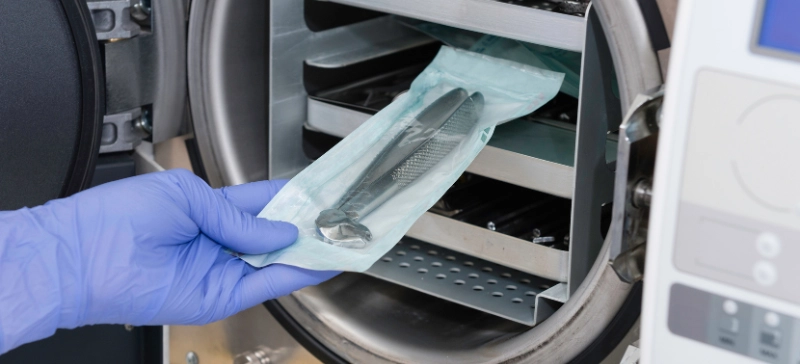
An autoclave is a device that sterilizes objects by subjecting them to high-pressure steam. It uses a combination of heat, pressure, and time to kill microorganisms, including bacteria, viruses, and spores. Autoclaves are critical for disinfecting materials that cannot be sterilized by other methods, such as dry heat or chemicals.
How Does an Autoclave Work?
Autoclaves work by filling a sealed chamber with steam. The chamber is pressurized, and the steam raises the temperature to levels that are lethal to most microorganisms. Typically, the temperature ranges from 121°C to 134°C. This process ensures the complete sterilization of the materials inside the autoclave.
The cycle time varies, but it usually lasts between 30 to 60 minutes, depending on the load size and material type. After the sterilization process, the chamber gradually depressurizes, allowing the materials to cool down before removal.
Types of Autoclave Cycles
Autoclaves generally have two main cycles:
Gravity or “Fast Exhaust” Cycle
This cycle is used for dry goods and glassware. The chamber fills with steam, and after a set duration, it rapidly returns to atmospheric pressure.
Liquid or “Slow Exhaust” Cycle
This cycle is ideal for sterilizing liquids. Steam is released slowly to avoid the boiling of liquids, ensuring they are sterilized without overheating.
Each cycle is designed to cater to specific types of materials. It’s important to choose the correct cycle to achieve optimal results.
Applications of Autoclaves
Autoclaves have a wide range of applications across industries:
Healthcare and Medical Fields
- They are crucial in hospitals and dental clinics for sterilizing surgical instruments, needles, and other medical tools.
Laboratories
- Autoclaves help decontaminate biohazardous waste and sterilize laboratory equipment.
Manufacturing
- Industries that deal with polymers and rubber use autoclaves for curing materials and ensuring product quality.
Why Are Autoclaves Important?
Autoclaves provide one of the most reliable methods for sterilization. They are efficient, safe, and effective at eliminating harmful pathogens. Unlike other methods such as chemical sterilization, autoclaving ensures thorough treatment, even for materials that may have complex shapes or crevices.
Sterilization Monitoring
To ensure effective sterilization, it is essential to monitor the process regularly. One common method involves using chemical indicators, such as autoclave tape, which changes color when exposed to the correct temperature and pressure. However, relying solely on chemical indicators is not sufficient for long-term reliability. Therefore, autoclaves must undergo biological monitoring as well. Spore strips, such as Bacillus stearothermophilus, are commonly used for this purpose. These spores can withstand the autoclaving process, and their survival or destruction provides a clear and reliable indication of the cycle’s effectiveness. By combining both chemical and biological monitoring, users can ensure that the sterilization process consistently meets safety and efficiency standards.
Autoclave Maintenance and Safety
Regular maintenance is essential for keeping autoclaves in good working order. Checking the seals, pressure gauges, and valves ensures they operate efficiently. Additionally, operators should follow safety protocols, including wearing appropriate personal protective equipment (PPE) and ensuring the autoclave is not opened until it cools down.
In case of failure, recalibration, or troubleshooting, it’s important to address the issues promptly. Autoclave malfunction could lead to incomplete sterilization, which could pose significant risks.
AELAB Related Products
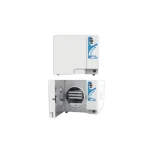
The Class N Autoclave AE-C18/C23 Series
is a highly efficient steam sterilizer commonly used in medical and dental offices. It uses a gravity displacement method for effective sterilization of a wide range of materials, including wrapped and unwrapped solids, porous items, and hollow instruments. Operating at temperatures of 121°C to 134°C and pressures of 15-30 psi, it eliminates bacteria, fungi, and spores in a short period. Key features include adjustable sterilization cycles, precise temperature control, safety locks, and drying functions, making it a reliable solution for maintaining hygiene and safety standards in healthcare environments.
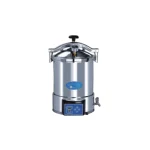
The Portable Pressure Steam Sterilizer (YX series)
is a compact and efficient device designed for sterilizing medical, laboratory, and industrial equipment. It generates high-pressure steam to kill bacteria, viruses, and other microorganisms, ensuring effective sterilization. The sterilizer is available in various models, including the AE-YX18HD, AE-YX18LD, and AE-YX18LM, offering features such as fully stainless steel construction, digital display, electric or LPG heating, and easy operation. Its portability, rapid sterilization cycles, and reliable performance make it ideal for environments where space is limited, and mobility is essential. With working temperatures ranging from 105°C to 126°C and various safety features, this sterilizer ensures high hygiene standards in diverse settings.
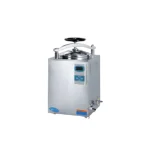
The LS Series Vertical Pressure Steam Sterilizer
is a compact, high-efficiency autoclave designed to sterilize equipment, instruments, and materials using high-pressure steam. Its vertical design allows for easy loading and unloading in spaces with limited room, making it ideal for hospitals, laboratories, and industrial applications. This sterilizer is built with a durable stainless steel chamber that withstands high temperatures and pressures to ensure reliable and consistent sterilization performance. Features include a hand wheel type quick-open door, safety lock system, LCD digital display, automatic air and steam discharge, over-temperature and over-pressure protection, and a self-inflating seal. The drying system is optional and can be customized according to customer needs. Available in various models, the LS series sterilizer offers excellent performance for critical applications, with a range of chamber volumes from 35L to 100L.
Conclusion
Autoclaves play a crucial role in ensuring safety and hygiene in various fields. By understanding their applications, how they function, and the different types of cycles, users can maximize their effectiveness. Regular monitoring and maintenance ensure that autoclaves operate optimally, providing reliable sterilization.