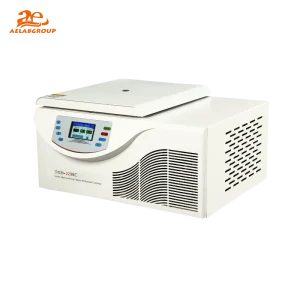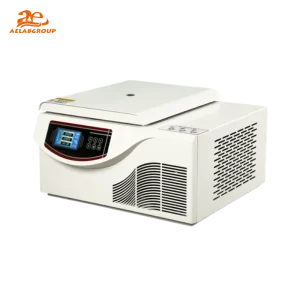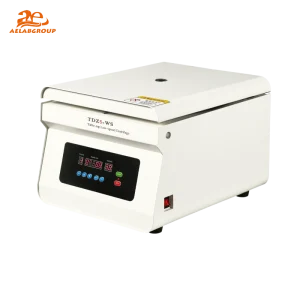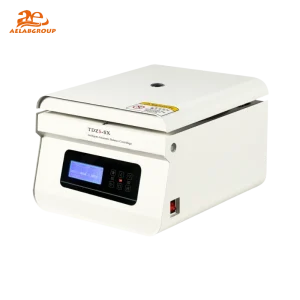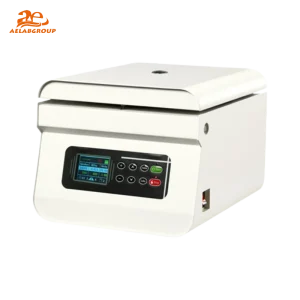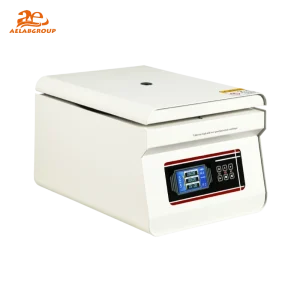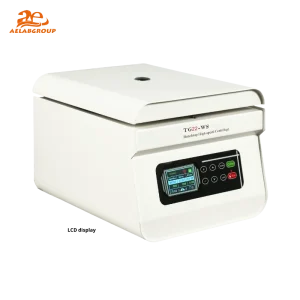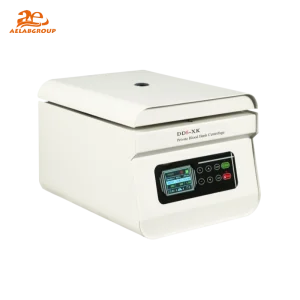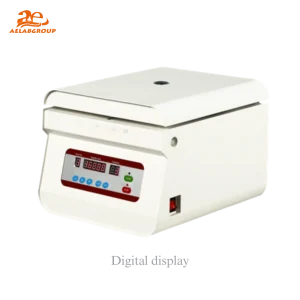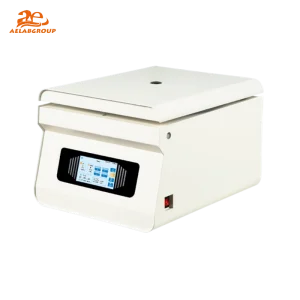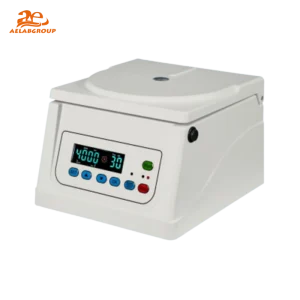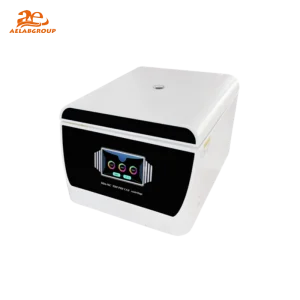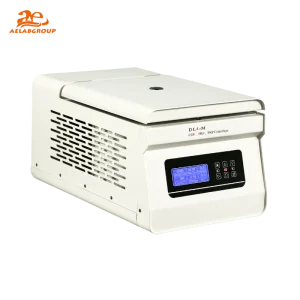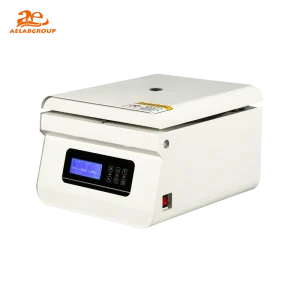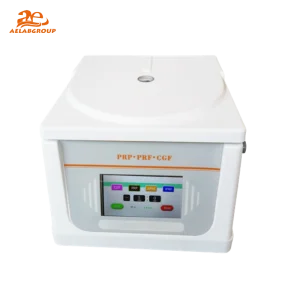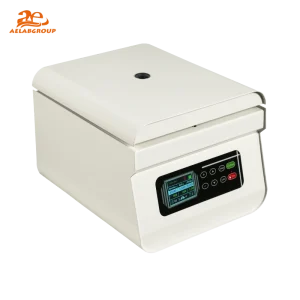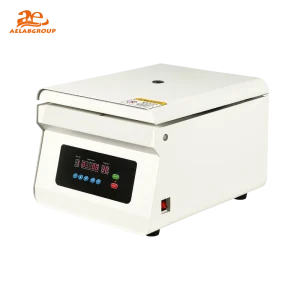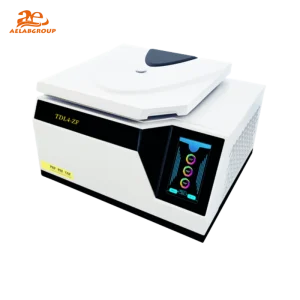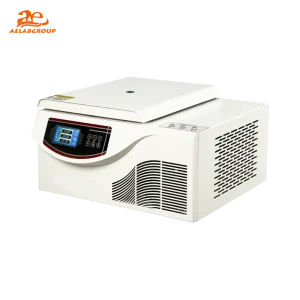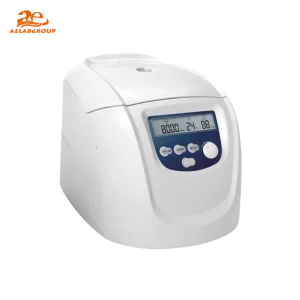
AELAB | Laboratory Equipment | Centrifuge | Benchtop Centrifuge
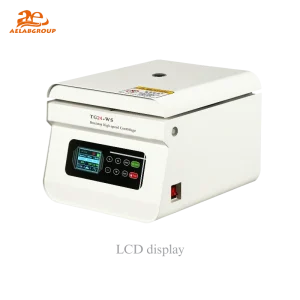
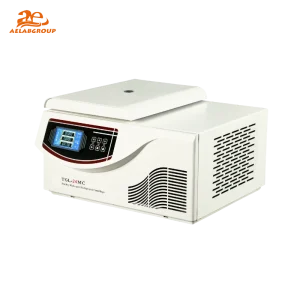
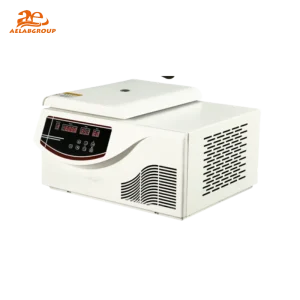
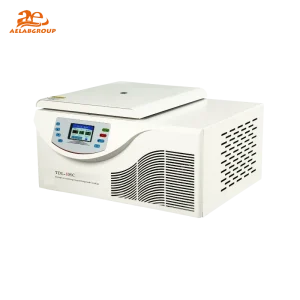
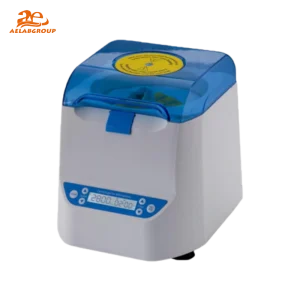
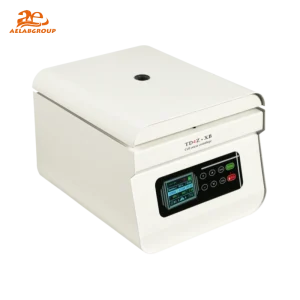
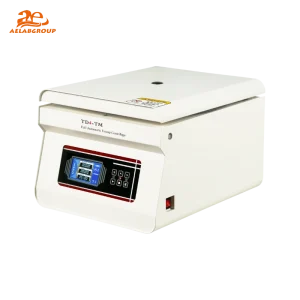
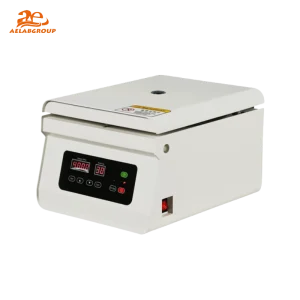
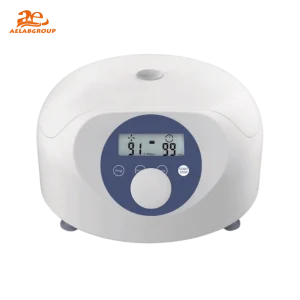
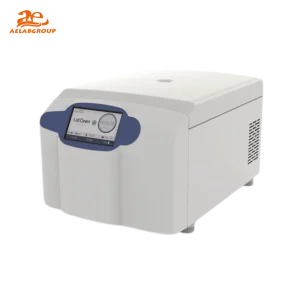
A benchtop centrifuge is a compact and high-performance laboratory instrument designed for sample separation in medical, biological, and industrial research. Built for convenience and efficiency, it fits easily on laboratory benches while delivering powerful and precise results. These centrifuges are essential tools in diagnostics, molecular biology, biotechnology, and pharmaceutical applications.
A benchtop centrifuge separates components of a liquid sample based on density using centrifugal force. When samples are spun at high speeds, denser particles move outward while lighter components remain near the top. This process is vital for preparing plasma, purifying cells, and isolating biomolecules such as DNA, RNA, and proteins.
| Feature | Details |
|---|---|
| Speed Range | Up to 20,000 RPM depending on model |
| Relative Centrifugal Force (RCF) | Up to 25,000 × g |
| Rotor Type | Fixed-angle or swing-bucket rotors |
| Capacity | From 0.2 mL microtubes up to 250 mL bottles |
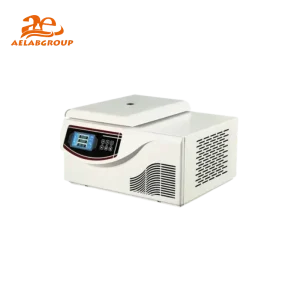
| Temperature Control | Optional refrigeration (-20°C to +40°C) |
| Display & Controls | Digital LCD with programmable settings |
| Safety Features | Imbalance detection, lid lock, and auto shut-off |
| Aspect | Benchtop Centrifuge | Floor-Standing Centrifuge |
|---|---|---|
| Size | Compact, fits on benches | Large, occupies floor space |
| Capacity | Low to medium sample volume | High-volume processing |
| Speed Range | Up to 20,000 RPM | Up to 30,000 RPM or more |
| Portability | Easily movable and lightweight | Stationary |
| Ideal Use | Research, clinical, and routine lab tasks | Industrial-scale or high-throughput operations |
Q: What is the main advantage of a benchtop centrifuge?
A: It provides high-speed sample separation in a compact, space-saving design suitable for most laboratory settings.
Q: Can a benchtop centrifuge handle temperature-sensitive samples?
A: Yes, refrigerated benchtop centrifuges are designed to maintain stable temperatures for biological or biochemical samples.
Q: What’s the difference between fixed-angle and swinging-bucket rotors?
A: Fixed-angle rotors are faster and suitable for pelleting, while swinging-bucket rotors are ideal for gradient separations and large-volume samples.
Q: How should I maintain my benchtop centrifuge?
A: Regular cleaning, balancing samples, and periodic calibration are essential to ensure optimal performance and longevity.
Looking for specific lab equipment? Fill out the form below, and our team will get back to you with detailed information and a personalized quote.