AELAB | Laboratory Equipment | Dry Bath/Block Heater
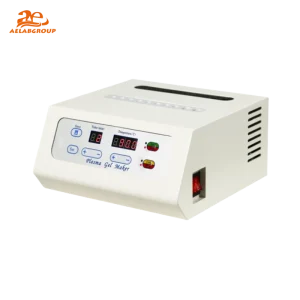
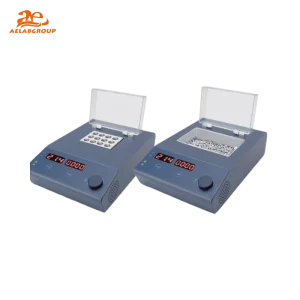
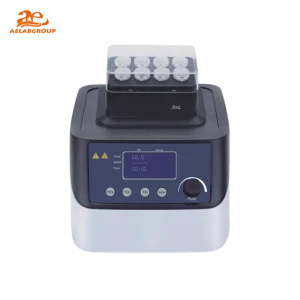
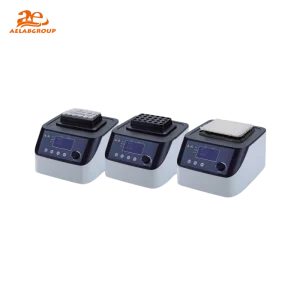
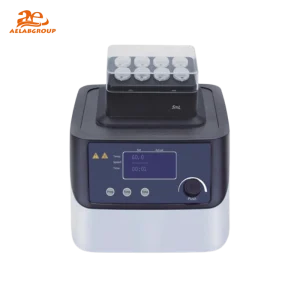
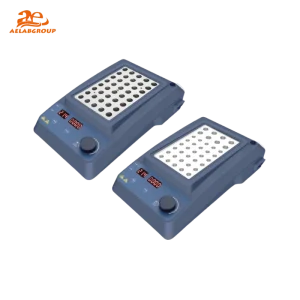
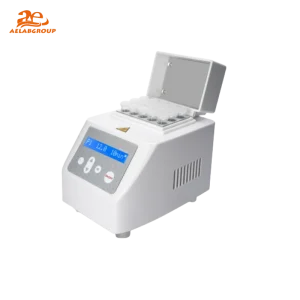
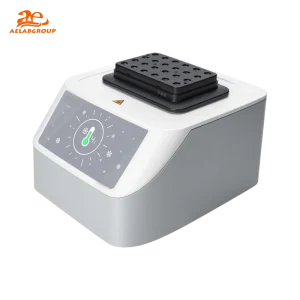
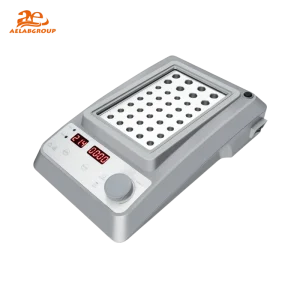
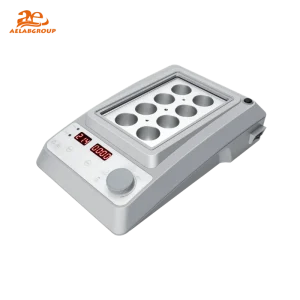
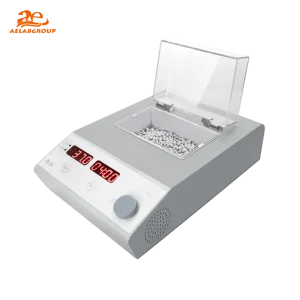
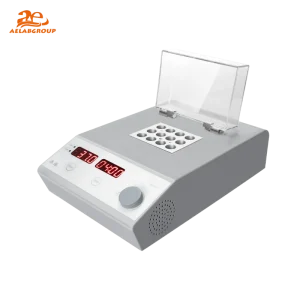
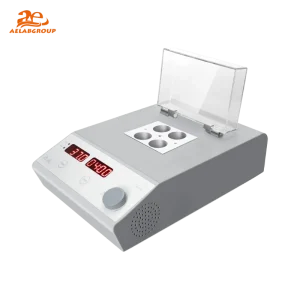
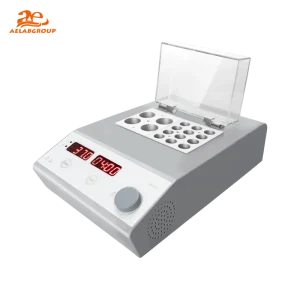
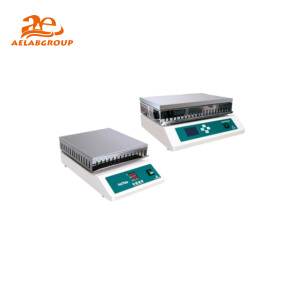
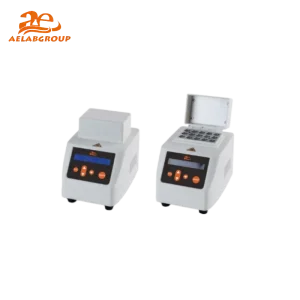
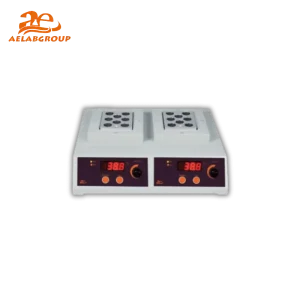
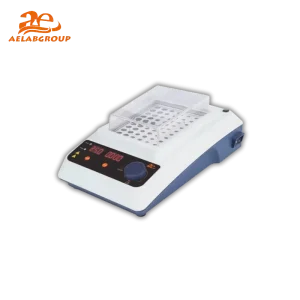
The Dry Bath, also known as a Block Heater, is a key laboratory instrument for achieving precise and uniform temperature control. Ideal for DNA denaturation, enzyme reactions, and sample incubation, it offers consistent, spill-free heating without the maintenance demands of water baths. With digital temperature control, programmable timers, and interchangeable blocks, modern dry baths are indispensable in molecular biology, diagnostics, and industrial laboratories.
A Dry Bath or Block Heater is a benchtop laboratory device that heats samples placed in tubes, vials, or microplates using a solid metal block. The block ensures even heat distribution and stable temperature control across all sample containers. Unlike water baths, dry baths are low-maintenance, contamination-free, and provide individually programmable temperature settings for highly reproducible results.
| Feature | Details |
|---|---|
| Temperature Range | +5°C above ambient to 150°C (some up to 200°C) |
| Temperature Accuracy | ±0.2°C to ±0.5°C depending on model |
| Temperature Uniformity | ±0.3°C to ±0.5°C across block surface |
| Timer Function | Programmable: 1 minute to 99 hours or continuous |
| Block Configurations | Interchangeable blocks for 0.2–2.0 mL tubes or plates |
| Display Type | LED or digital LCD for temperature monitoring |
| Capacity | Single or dual-block options for higher throughput |
| Safety Features | Overheating protection and automatic shut-off |
| Feature | Dry Bath | Water Bath |
|---|---|---|
| Heat Medium | Solid metal block | Heated water |
| Contamination Risk | Very low | Higher (waterborne bacteria) |
| Temperature Uniformity | Excellent (premium models) | Good but may fluctuate |
| Maintenance | Easy and low maintenance | Requires frequent cleaning |
| Sample Compatibility | Wide range of tubes and plates | Needs racks or holders |
| Best Use | Enzyme reactions, PCR work | Microbial cultures, gentle heating |
Q: Can I use a dry bath for PCR samples?
A: Yes. Most dry baths include blocks compatible with 0.2 mL PCR tubes and provide precise temperature control for DNA amplification.
Q: Are dry baths faster than water baths?
A: Generally, yes. Dry baths heat up faster and maintain stable temperatures due to efficient metal heat conduction.
Q: How should I clean a block heater?
A: Always unplug and cool the unit before cleaning. Use a mild lab-grade cleaner and a soft cloth to wipe the metal surfaces gently.
Q: What safety features should I look for in a dry bath?
A: Over-temperature protection, automatic shut-off, and temperature alarms are essential for safe and reliable operation.
Looking for specific lab equipment? Fill out the form below, and our team will get back to you with detailed information and a personalized quote.