AELAB | Laboratory Equipment | Incubator
In modern research and clinical laboratories, laboratory incubators are essential for maintaining controlled environments where biological samples can grow, develop, or be preserved. Whether it’s microbiology, cell culture, or pharmaceutical testing, incubators provide the consistent conditions necessary for reproducible, temperature-sensitive experiments. This SEO-optimized guide explains everything you need to know about incubators — their types, key features, benefits, and expert recommendations to help you choose the ideal model for your lab.
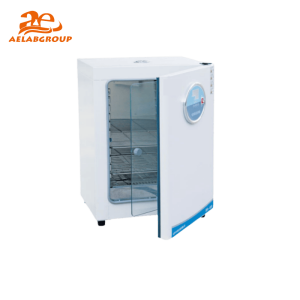
A laboratory incubator is a temperature-controlled chamber designed to grow and sustain microbiological, cellular, or biochemical samples under optimal environmental conditions. It provides controlled settings for temperature, humidity, and gas composition (CO₂), ensuring that samples develop safely and consistently over time.
| Pros | Cons |
|---|---|
| High precision and environmental control | Higher initial investment cost |
| Wide range of models for specific needs | Some models require regular calibration |
| Low maintenance in modern systems | Potential contamination if not cleaned properly |
| Feature | CO₂ Incubator | Standard Incubator |
|---|---|---|
| CO₂ Control | Yes (maintains ~5%) | No |
| Primary Application | Mammalian cell culture | General microbiology |
| Humidity Control | Integrated | Limited |
| Maintenance | Requires calibration and sterilization | Low maintenance |
| Cost | Higher | Moderate |
Q: How often should I clean my laboratory incubator?
A: Clean weekly or biweekly using mild disinfectants and deionized water to prevent microbial buildup.
Q: Can I store reagents in a CO₂ incubator?
A: No. CO₂ incubators are designed for live cultures; storing reagents may alter internal humidity and gas balance.
Q: What’s the difference between air-jacketed and water-jacketed incubators?
A: Air-jacketed systems heat up faster and are easier to maintain, while water-jacketed units offer superior temperature stability.
Q: Do incubators require calibration?
A: Yes, at least annually. Regular calibration ensures temperature accuracy and consistent sample growth conditions.
Looking for specific lab equipment? Fill out the form below, and our team will get back to you with detailed information and a personalized quote.