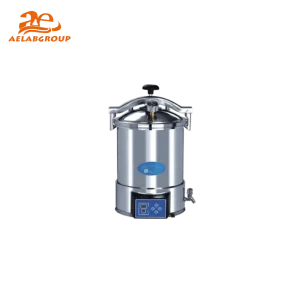
AELAB | Laboratory Equipment | Sterilizer/Autoclave
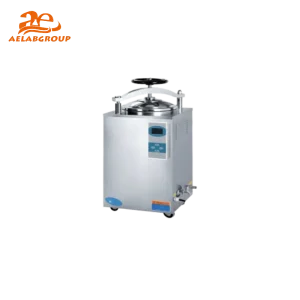
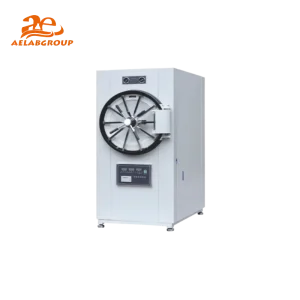
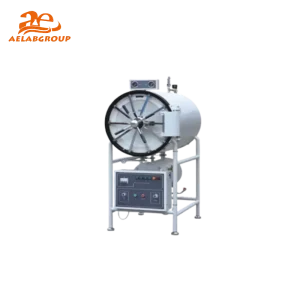
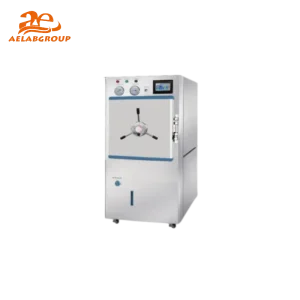
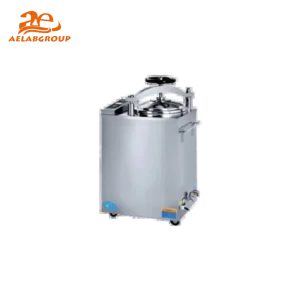
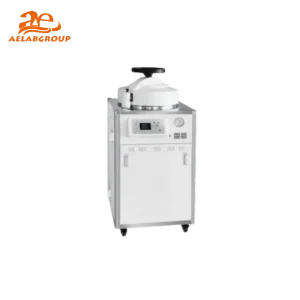
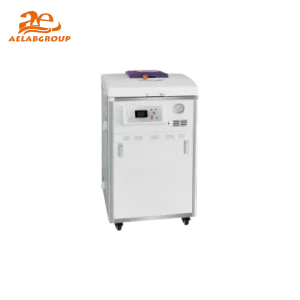
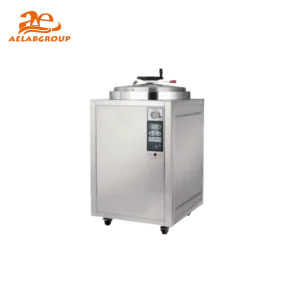
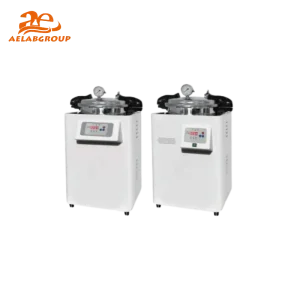
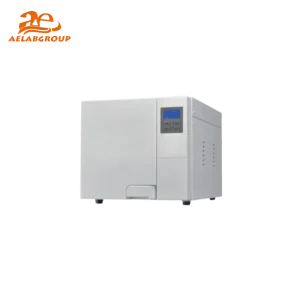
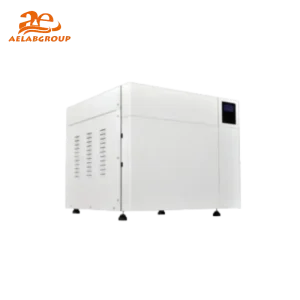
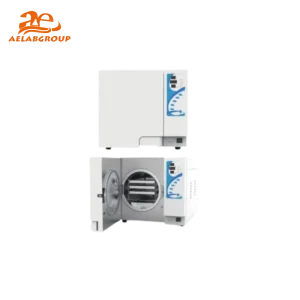
The Sterilizer / Autoclave is the gold-standard method for eliminating microorganisms—including heat-resistant spores—in hygiene-critical environments. Using high-pressure steam, it provides fast, consistent, and safe sterilization for medical, dental, laboratory, and industrial applications. This guide outlines how autoclaves work, their main types, advantages, and tips for choosing the right model for your facility.
A sterilizer eliminates all microbial life, including bacteria, fungi, viruses, and spores. The autoclave is the most widely used type, operating as a sealed chamber that uses high-pressure saturated steam to achieve sterilization. A typical cycle includes air removal (via gravity or vacuum), exposure to steam at 121–134 °C and 15–30 psi, a controlled holding period, followed by steam exhaust and drying. This ensures instruments and materials emerge sterile and ready for use.
| Feature | Details |
|---|---|
| Sterilization Temperature | 121–134 °C (cycle-dependent) |
| Chamber Pressure | 15–30 psi during sterilization |
| Hold Time | 15–30 minutes at target temperature |
| Capacity Options | Small 8–20 L, Medium 20–80 L, Large 100 L+ |
| Air Removal Method | Gravity displacement or vacuum pump |
| Control Interface | Digital panel with programmable cycles |
| Safety Features | Door interlock, over-temperature and pressure relief |
| Chamber Construction | Stainless-steel chamber with steam-resistant gaskets |
| Aspect | Sterilizer / Autoclave (Steam) | Dry Heat Sterilizer |
|---|---|---|
| Mechanism | High-pressure saturated steam | Heated dry air |
| Typical Conditions | 121–134 °C at 15–30 psi | 160–180 °C, atmospheric pressure |
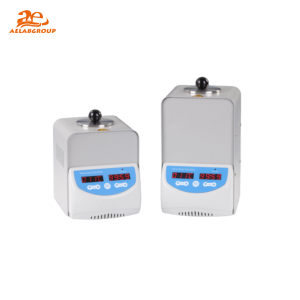
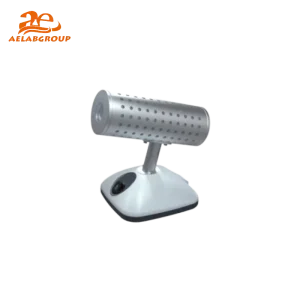
| Best For | Most instruments, wrapped or porous loads | Glassware and metal tools |
| Cycle Speed | Fast, often under 30 minutes | Slower, requires higher temperatures |
| Heat/Moisture Sensitivity | Not suitable for moisture-sensitive items | Not ideal for sealed or plastic materials |
| Operational Needs | Requires water and steam generation | No steam required, higher energy use |
Q: What is an autoclave sterilizer?
A: A high-pressure steam chamber used to sterilize instruments and materials by destroying all microorganisms, including resistant spores.
Q: Can autoclaves sterilize liquids?
A: Yes, with specialized liquid cycles that carefully control heating and cooling to prevent boil-over and maintain safety.
Q: How often should an autoclave be serviced?
A: Routine maintenance should be performed monthly, with full inspections every 6–12 months, depending on usage and local regulations.
Q: What materials should not be autoclaved?
A: Avoid non-autoclavable plastics, sealed containers, flammable liquids, and moisture-sensitive materials unless labeled for steam sterilization.
Looking for specific lab equipment? Fill out the form below, and our team will get back to you with detailed information and a personalized quote.