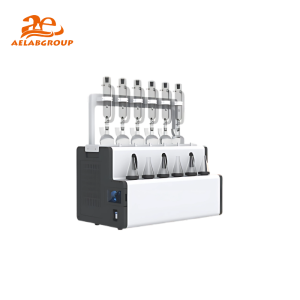
AELAB | Petroleum Testing Equipment
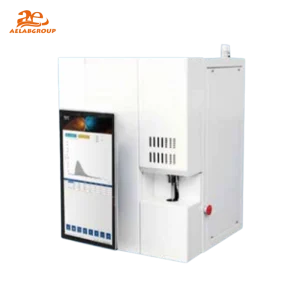
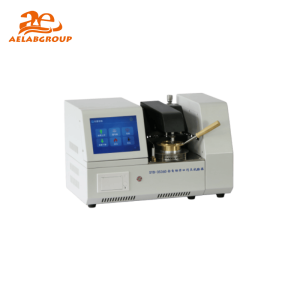
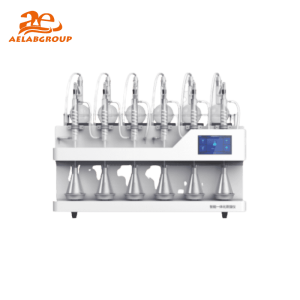
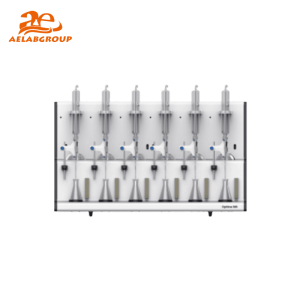
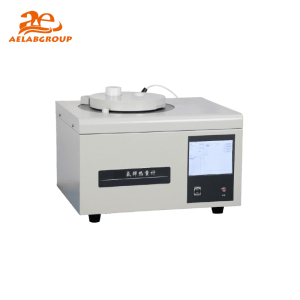
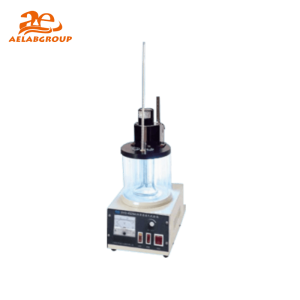
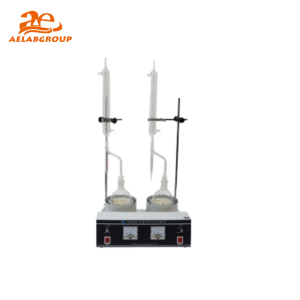
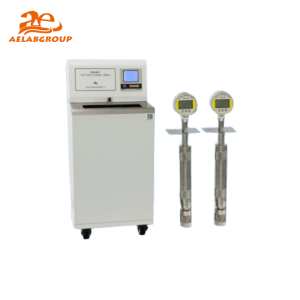
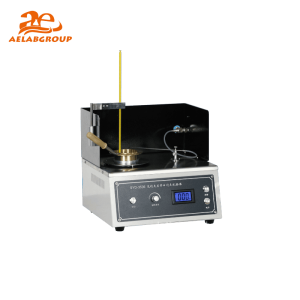
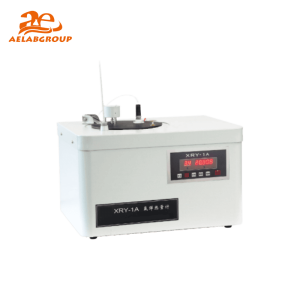
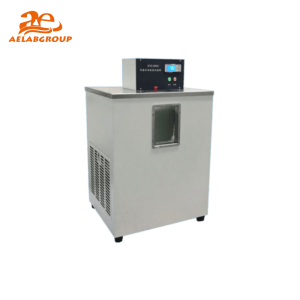
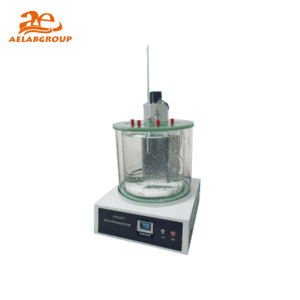
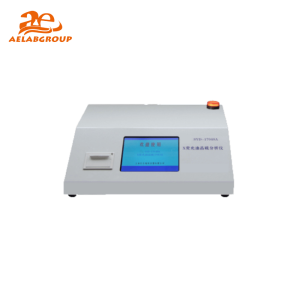
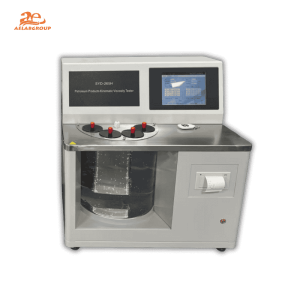
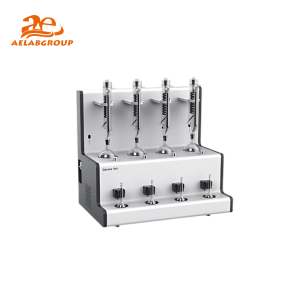
Petroleum Testing Equipment is essential for maintaining quality, safety, and compliance in the oil and gas industry. From refining crude oil to testing lubricants and fuels, these instruments ensure accurate measurements aligned with ASTM, ISO, and IP standards. Equipped with automation and precision technology, they help laboratories and field teams deliver reliable data for product certification and regulatory approval.
Petroleum testing equipment encompasses laboratory and field instruments used to analyze physical and chemical properties of petroleum products such as crude oil, gasoline, diesel, lubricants, bitumen, and jet fuel. Key parameters include viscosity, flash point, pour point, sulfur content, octane/cetane number, and distillation range. These measurements are vital for ensuring product quality, safety, and compliance with international testing standards.
| Feature | Details |
|---|---|
| Measurement Parameters | Viscosity, flash point, pour point, sulfur content, distillation range, octane/cetane number |
| Automation Level | Manual, semi-automated, and fully automated models available |
| Compliance Standards | ASTM, ISO, IP, DIN |
| Data Interface | Digital touchscreen, USB, Ethernet, or printer output |
| Safety Features | Flame-proof housings, automatic cutoffs, overheat alarms |
| Temperature Range | Up to 400°C for distillation and flash point analysis |
| Accuracy | ±0.1% (premium models), ±1% (standard models) |
| Sample Compatibility | Crude oil, diesel, gasoline, lubricants, bitumen, jet fuel |
| Aspect | Modern Petroleum Testing Equipment | Manual Testing Methods |
|---|---|---|
| Accuracy | High (±0.1%) | Variable, operator-dependent |
| Automation Level | Full or semi-automatic | Manual handling required |
| Safety | Built-in flame protection and alarms | Higher safety risk |
| Compliance | Meets ASTM, ISO, IP standards | Requires manual validation |
| Data Handling | Digital records and export options | Paper-based or manual logging |
| Operational Speed | Rapid, automated cycles | Time-consuming processes |
Q: Are petroleum testing instruments portable?
A: Yes, certain models such as handheld viscometers or portable flash point testers are field-friendly, while others are designed for laboratory use.
Q: Do I need multiple instruments for full petroleum analysis?
A: Yes, no single device measures all parameters. A complete suite typically includes viscometers, flash point testers, distillation units, and sulfur analyzers.
Q: How frequently should petroleum testing equipment be calibrated?
A: Calibration should be performed every 3–6 months or as recommended by the manufacturer and test standards.
Q: Are modern petroleum testing systems compliant with ASTM standards?
A: Yes, most high-quality instruments are designed and validated to comply with ASTM, ISO, and IP protocols.
Looking for specific lab equipment? Fill out the form below, and our team will get back to you with detailed information and a personalized quote.