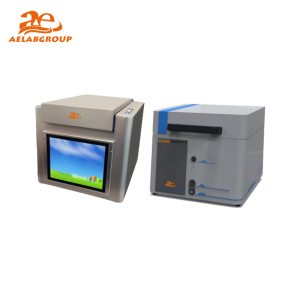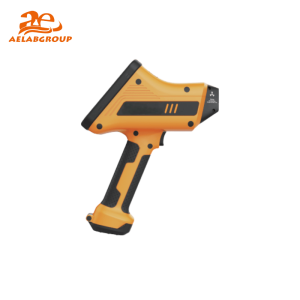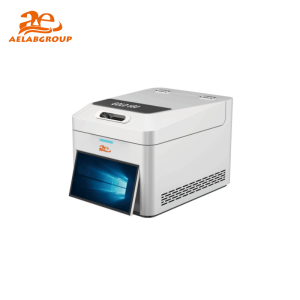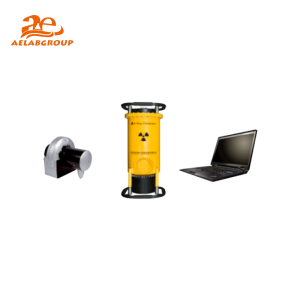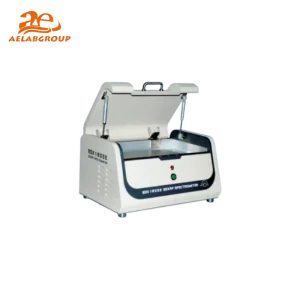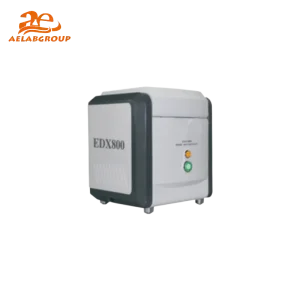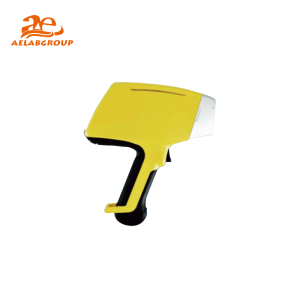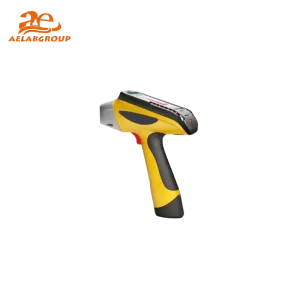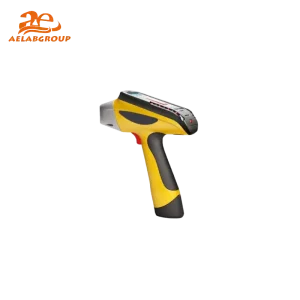
AELAB | Analytical Equipment | X-Ray Fluorescence Spectrometer (XRF)
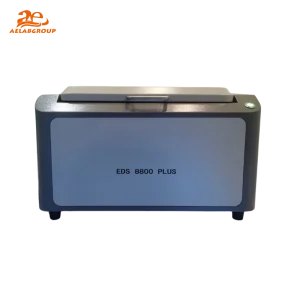
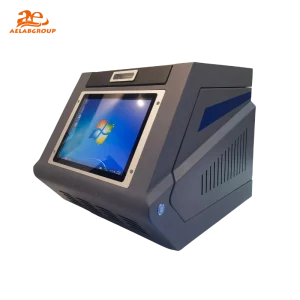
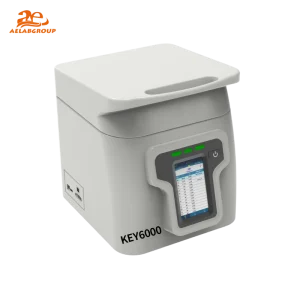
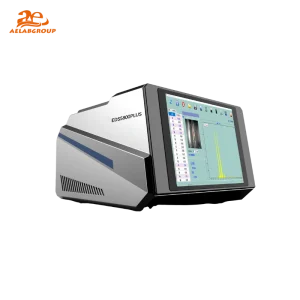
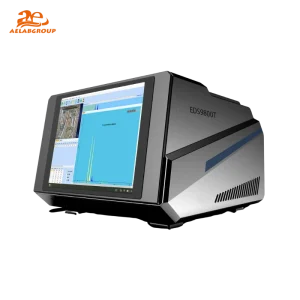
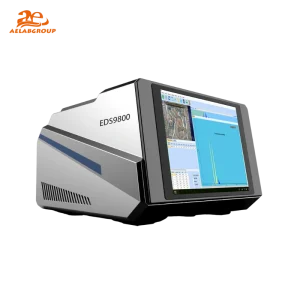
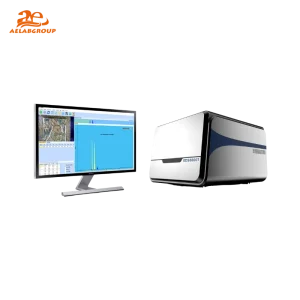
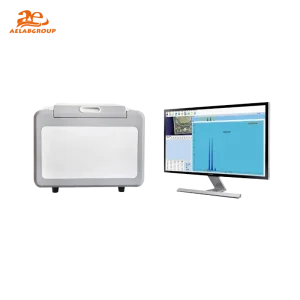
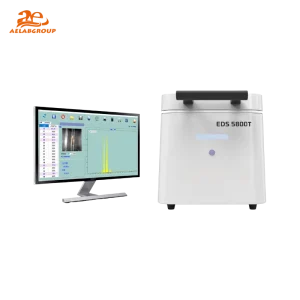
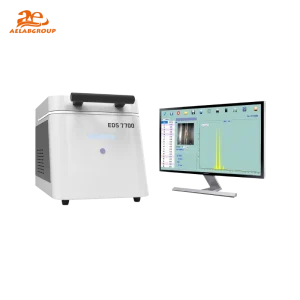
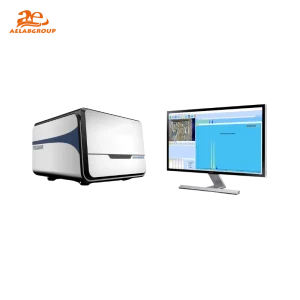
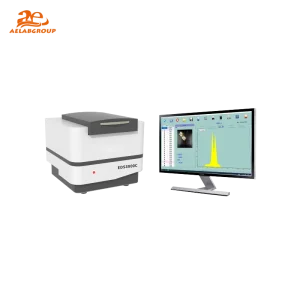
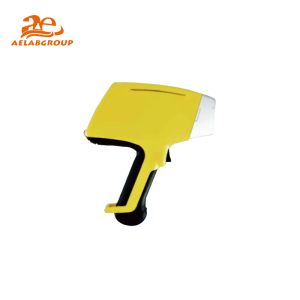
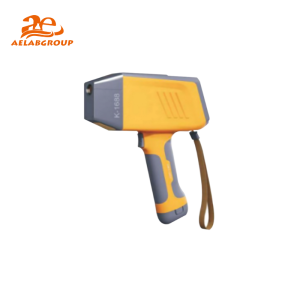
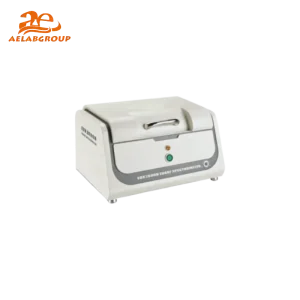
The Laboratory XRF Spectrometer is a powerful analytical instrument used for precise, non-destructive elemental analysis across diverse industries. By measuring characteristic X-ray fluorescence emitted from materials, XRF provides rapid identification and quantification of elements in metals, polymers, soils, and liquids. This guide explores how XRF works, its applications, specifications, and expert recommendations for achieving reliable results.
An XRF (X-ray Fluorescence) Spectrometer is an instrument that determines the elemental composition of samples by detecting secondary X-rays emitted when atoms are excited by high-energy X-rays. Each element emits unique characteristic radiation, allowing accurate qualitative and quantitative analysis. XRF technology is widely applied in research, quality control, and industrial monitoring due to its speed and minimal sample preparation.
| Feature | Details |
|---|---|
| Measurement Principle | X-ray fluorescence emission for elemental identification and quantification |
| Energy Range | Covers elements from Na (Z=11) to U (Z=92), depending on detector and tube type |
| Detection Limits | Typically ppm to ppb levels; WDXRF offers higher sensitivity for trace analysis |
| Detectors | Silicon Drift Detector (SDD), proportional counter, or scintillation detector |
| X-Ray Tube | High-voltage X-ray tube (typically Rh, Ag, or Mo anode) providing excitation energy |
| Sample Preparation | Minimal or none; solid, liquid, or powder samples analyzed directly |
| Software & Data Processing | Advanced software for spectrum fitting, calibration, and quantitative reporting |
| Analysis Time | Typically 30 seconds to a few minutes per sample |
| Aspect | XRF Spectrometer | ICP-OES / AAS |
|---|---|---|
| Detection Method | X-ray fluorescence emission | Optical emission or atomic absorption |
| Sample Prep | Minimal or none | Requires digestion or dilution |
| Element Range | Na–U (broad) | Primarily metals |
| Sensitivity | Moderate to high | Very high (ICP-MS > ICP-OES > AAS) |
| Speed | Fast (seconds to minutes) | Moderate to slow |
| Cost | Moderate (lower operating costs) | Higher setup and consumables cost |
Q: What is the main difference between EDXRF and WDXRF?
A: EDXRF provides rapid multi-element analysis with broad energy detection, while WDXRF uses wavelength dispersion for higher resolution and precision, ideal for complex samples.
Q: Can XRF detect light elements like lithium or beryllium?
A: Standard XRF is less sensitive to very light elements (below sodium), though specialized configurations or complementary techniques are used for these elements.
Q: Is sample preparation needed for XRF analysis?
A: Typically minimal; most solids and powders can be analyzed directly. However, homogenization or pellet pressing may improve reproducibility.
Q: How often should an XRF spectrometer be calibrated?
A: Calibration should be performed regularly—ideally daily for routine labs or whenever conditions or sample types change significantly.
Q: What materials can XRF analyze?
A: XRF can analyze metals, minerals, ceramics, glass, polymers, soils, and liquids—virtually any sample containing detectable elements within its energy range.
Looking for specific lab equipment? Fill out the form below, and our team will get back to you with detailed information and a personalized quote.