AELAB | Laboratory Equipment | Centrifuge | Low Speed Centrifuge
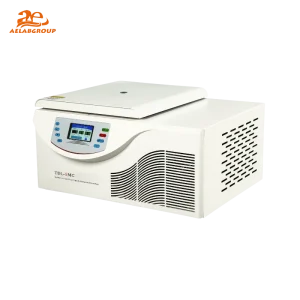
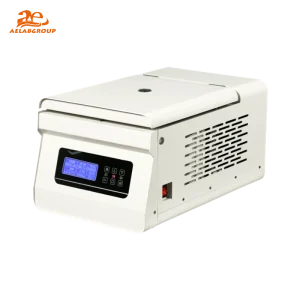
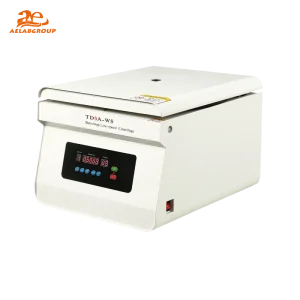
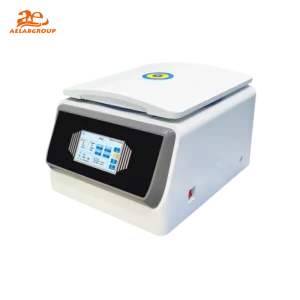
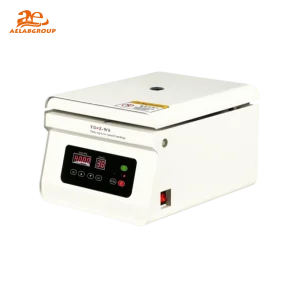
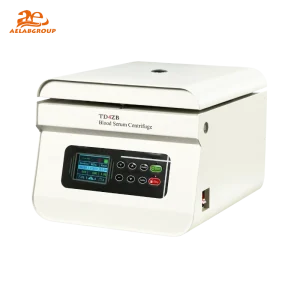
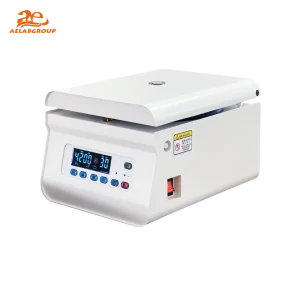
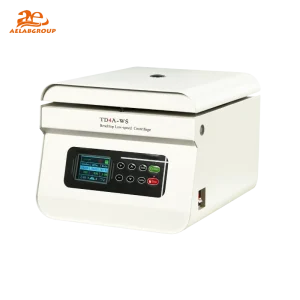
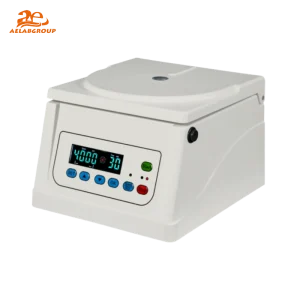
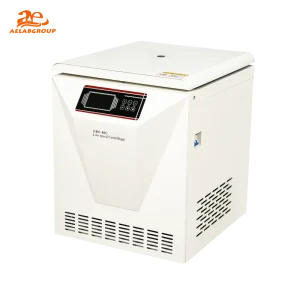
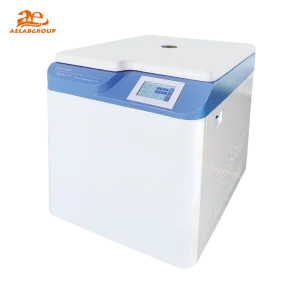
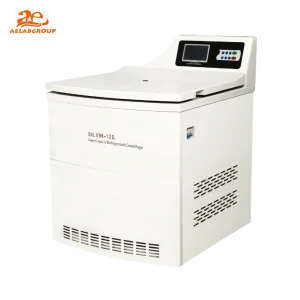
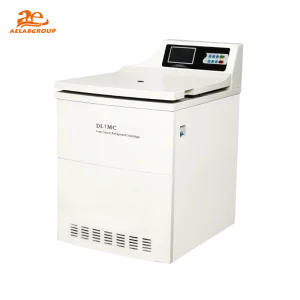
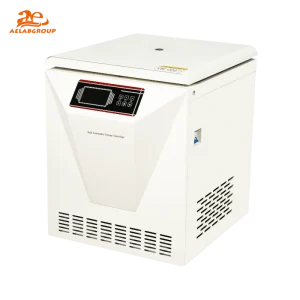
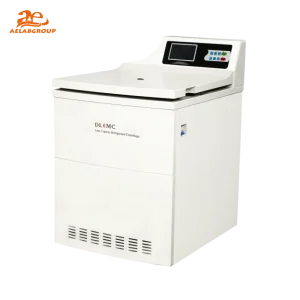
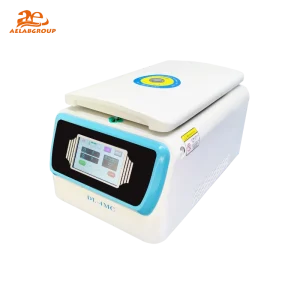
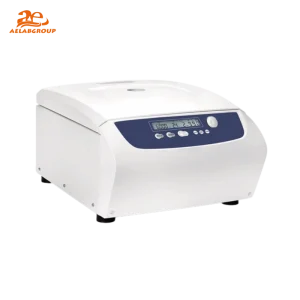
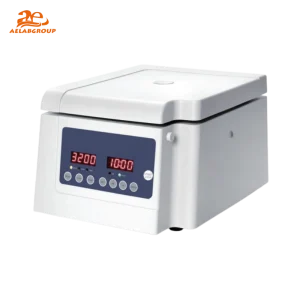
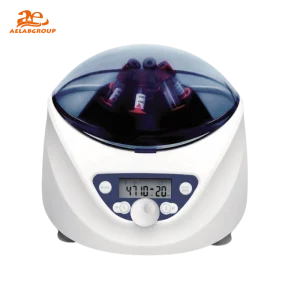
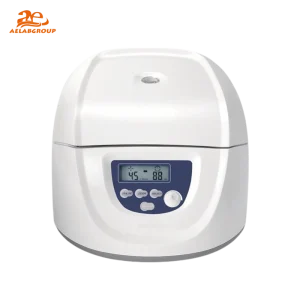
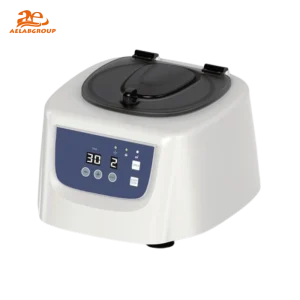
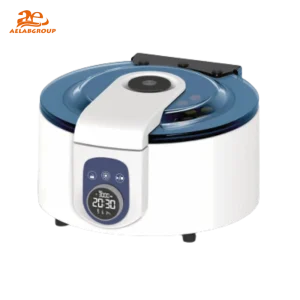
A low-speed centrifuge is a laboratory device designed for gentle and controlled separation of biological and chemical samples. Operating below 6,000 RPM, it is ideal for processing delicate materials such as blood cells, bacteria, and tissues, making it a vital instrument in clinical diagnostics, microbiology, and research laboratories.
A low-speed centrifuge separates sample components based on density using mild centrifugal force. Unlike high-speed centrifuges, it minimizes mechanical stress, preserving the structure and viability of biological samples. Equipped with fixed-angle or swinging-bucket rotors, it supports smooth separation of serum, plasma, and cell suspensions for diagnostic and research purposes.
| Feature | Details |
|---|---|
| Speed Range | Up to 6,000 RPM |
| Relative Centrifugal Force (RCF) | Up to 5,000 × g |
| Rotor Type | Swinging-bucket or fixed-angle rotors |
| Capacity | 4–16 tubes (1.5 mL to 100 mL) |
| Temperature Control | Optional refrigeration (–10°C to +40°C) |
| Display & Controls | Digital interface with adjustable speed and time |
| Safety Features | Lid lock, imbalance detection, auto-stop function |
| Aspect | Low-Speed Centrifuge | High-Speed Centrifuge |
|---|---|---|
| Speed Range | Up to 6,000 RPM | 10,000–30,000 RPM |
| Sample Type | Blood, urine, cells | DNA, proteins, nanoparticles |
| Application | Clinical and routine lab work | Research and molecular biology |
| Rotor Type | Swinging-bucket, fixed-angle | Fixed-angle, micro rotors |
| Sample Integrity | Preserves delicate samples | May cause shear stress in fragile materials |
Q: What is the maximum speed of a low-speed centrifuge?
A: Most low-speed centrifuges operate below 6,000 RPM, suitable for gentle separation of biological and clinical samples.
Q: Can a low-speed centrifuge process blood samples?
A: Yes, it is commonly used for blood fractionation and plasma or serum separation in clinical laboratories.
Q: What is the main difference between low-speed and high-speed centrifuges?
A: Low-speed centrifuges operate at lower RPMs for gentle separations, while high-speed centrifuges perform rapid separations for smaller and denser particles.
Q: Do low-speed centrifuges require refrigeration?
A: Not always. However, refrigerated models are recommended when working with temperature-sensitive samples.
Looking for specific lab equipment? Fill out the form below, and our team will get back to you with detailed information and a personalized quote.