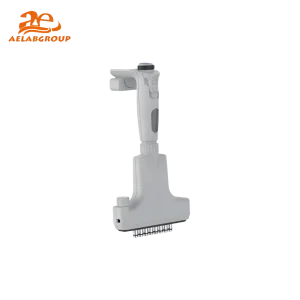
AELAB | Laboratory Equipment | Pipette Electronic
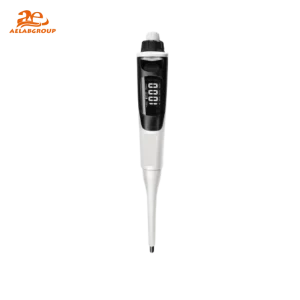
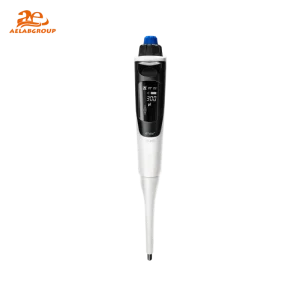
The Electronic Pipette brings precision liquid handling to modern labs with motorized aspiration/dispensing and automated volume control. It minimizes human error and repetitive strain while boosting speed and repeatability. Ideal for research, diagnostics, and QC workflows that demand accuracy and efficiency.
An electronic pipette is a motor-driven laboratory tool that accurately aspirates and dispenses set volumes using programmable digital interfaces and electric motors. Unlike thumb-driven manual pipettes, it offers multiple operating modes, on-screen guidance, and stored protocols to deliver consistent, high-throughput pipetting with less user fatigue. Primary Keyword: Electronic Pipette; related terms include digital pipette, electronic single-channel pipette, electronic multichannel pipette, motorized pipette, and programmable pipette.
| Feature | Details |
|---|---|
| Volume Range | 0.1 µL to 10 mL (model- and channel-dependent) |
| Precision | CV as low as < 0.5% for small volumes |
| Operating Modes | Pipette, Reverse, Dilute, Mix, Step, Custom |
| Display | OLED or LCD with touch or button controls |
| Battery Life | Rechargeable Li-ion; ~8–12 hours per charge |
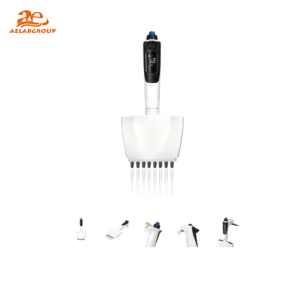
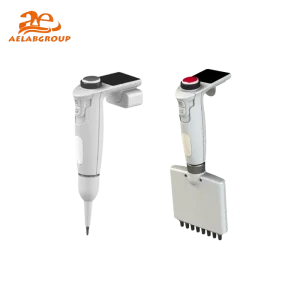
| Channels | Single-channel and 8/12-channel configurations |
| Calibration | Automated reminders with on-screen calibration guides |
| Connectivity | Optional USB or Bluetooth for data export |
| Aspect | Electronic Pipette | Manual Pipette |
|---|---|---|
| Operation | Motor-driven with digital interface | Thumb-driven, manual adjustment |
| Accuracy | High; consistent across users | User-dependent |
| Fatigue Level | Low (ergonomic) | Higher; risk of repetitive strain |
| Programming | Yes; stores modes and protocols | No |
| Learning Curve | Slightly longer, but intuitive | Very short |
| Price | Higher initial investment | Lower upfront cost |
Q: Are electronic pipettes worth the cost?
A: Yes—especially in high-throughput settings. They reduce errors, save time, and improve ergonomics, often offsetting the higher upfront price.
Q: Can I use the same tips as with manual pipettes?
A: Usually yes. Most electronic pipettes accept standard tips, though brand-matched tips can improve sealing and performance.
Q: What happens if the battery dies during use?
A: Many models complete the current cycle before shutting down; some include “safe-stop” features to prevent sample loss.
Looking for specific lab equipment? Fill out the form below, and our team will get back to you with detailed information and a personalized quote.