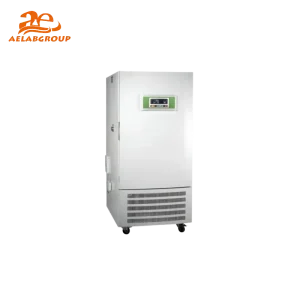
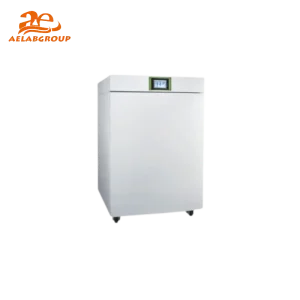
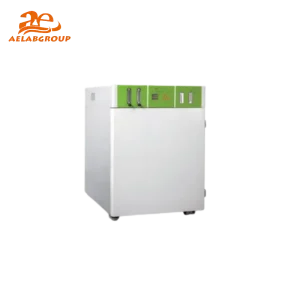
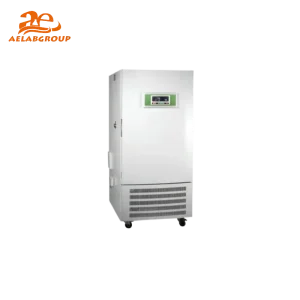
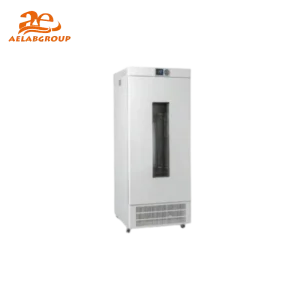
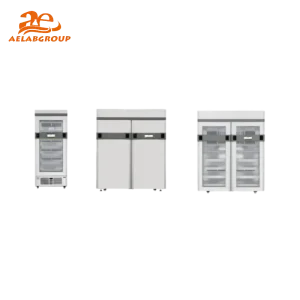
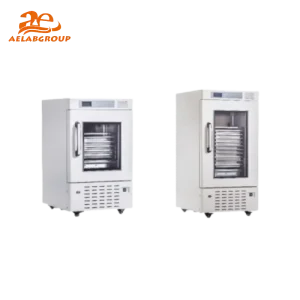
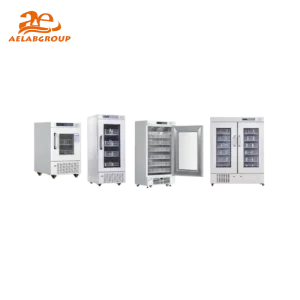
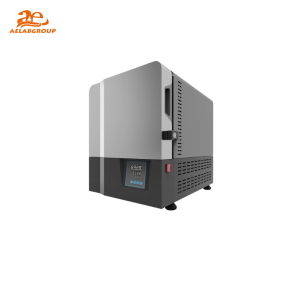
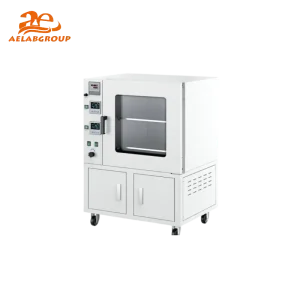
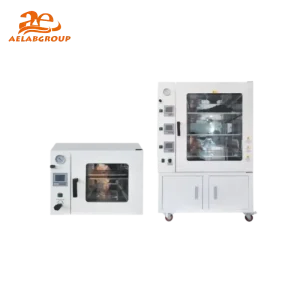
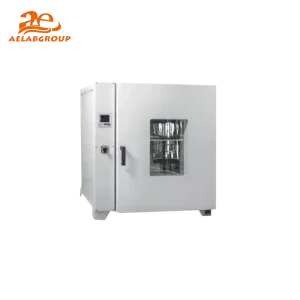
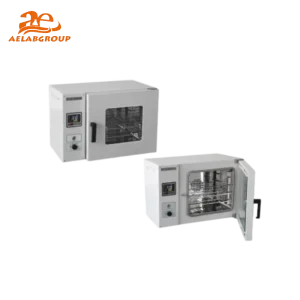
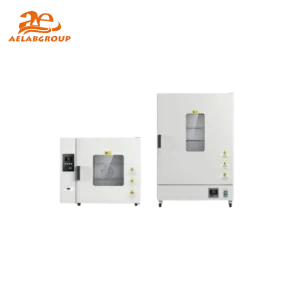
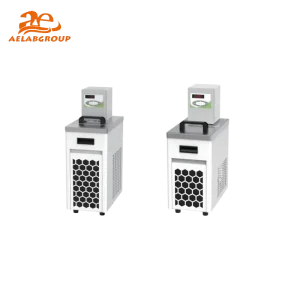
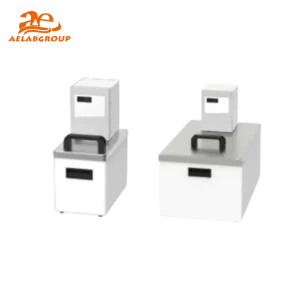
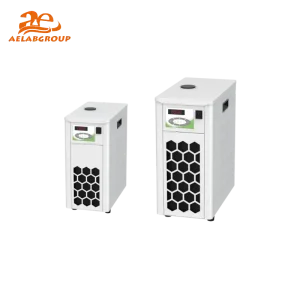
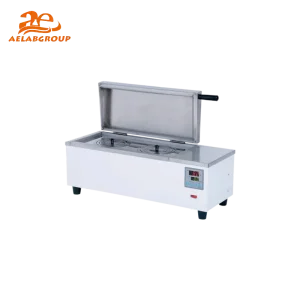
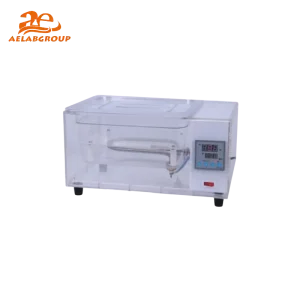
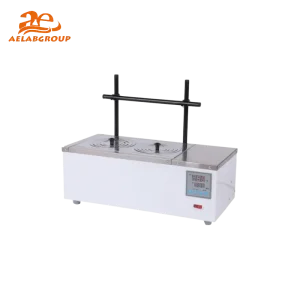
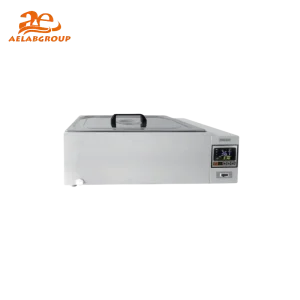
Thermostat Equipment
Introduction
Thermostat Equipment provides precise temperature control for environments ranging from homes and laboratories to factories and medical facilities. By maintaining optimal temperature ranges automatically, thermostats enhance safety, efficiency, and quality. Whether in HVAC systems or lab incubators, these devices are essential for stability and performance.
What Is Thermostat Equipment?
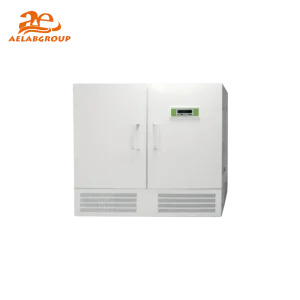
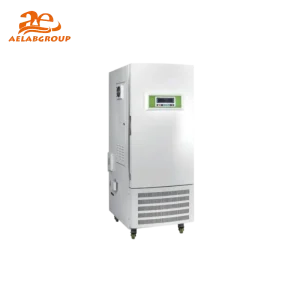
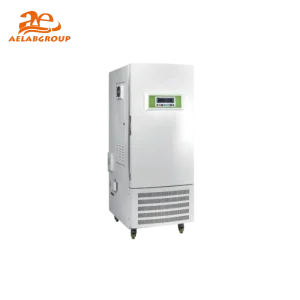
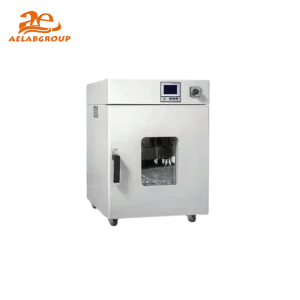
Thermostat Equipment consists of devices that automatically regulate temperature by activating heating or cooling systems when deviations occur. Using sensors such as thermistors or RTDs, thermostats monitor the environment, compare readings to a setpoint, and control connected systems to maintain balance. Applications span residential HVAC, industrial ovens, laboratory incubators, and medical storage units.
Devices in This Category
- Mechanical Thermostat (bimetallic design)
- Digital Thermostat with electronic sensors
- Smart Wi-Fi Thermostat with app connectivity
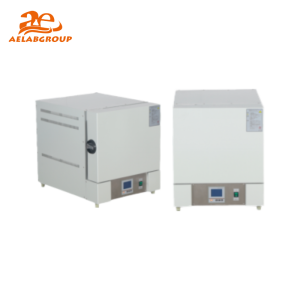
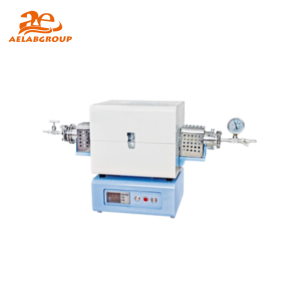
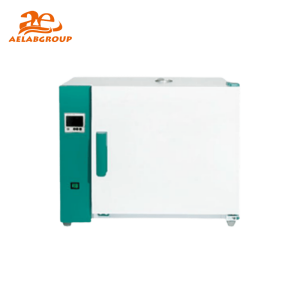
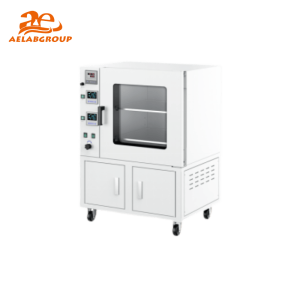
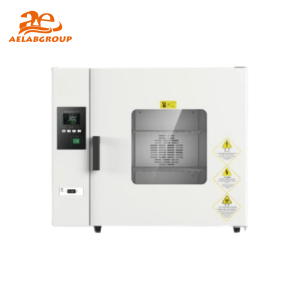
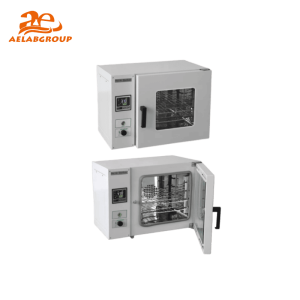
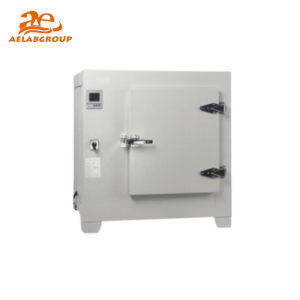
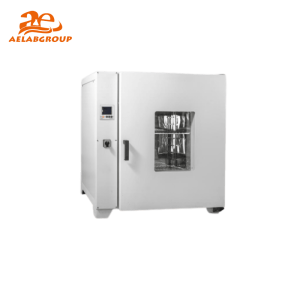
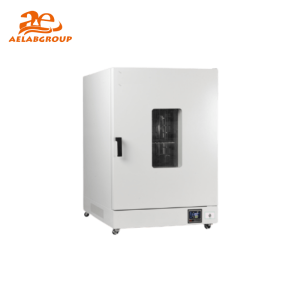
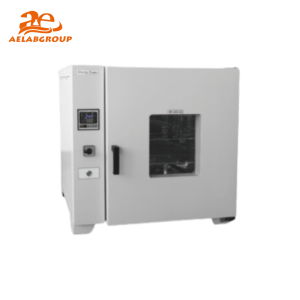
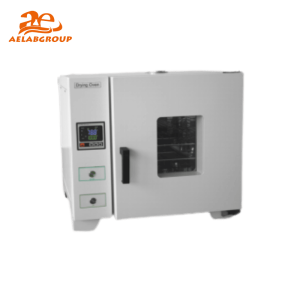
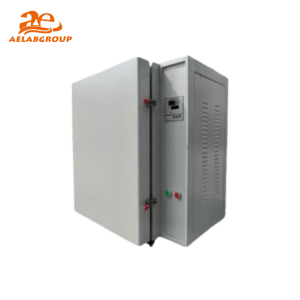
- Industrial Process Thermostat for ovens and kilns
- Programmable Thermostat with multi-schedule support
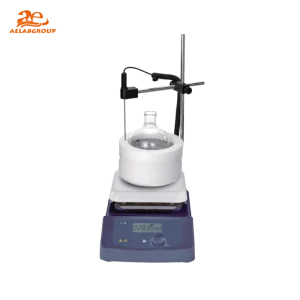
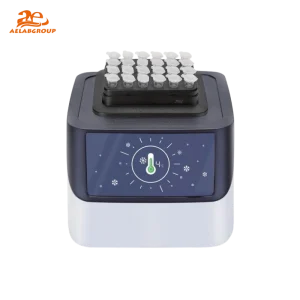
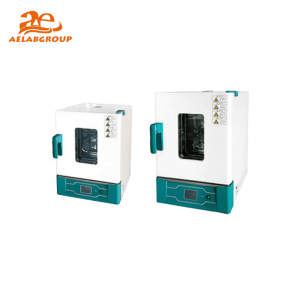
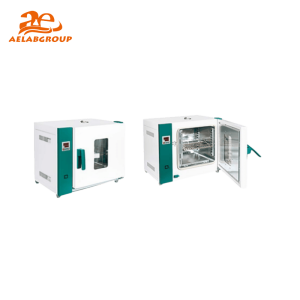
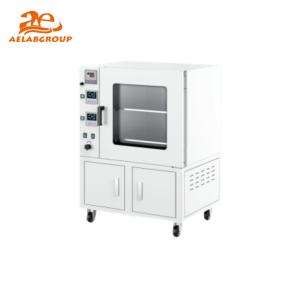
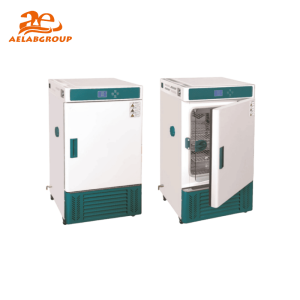
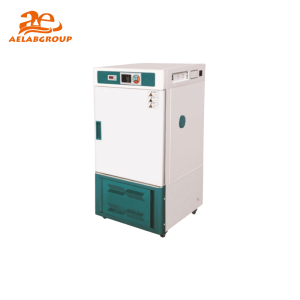
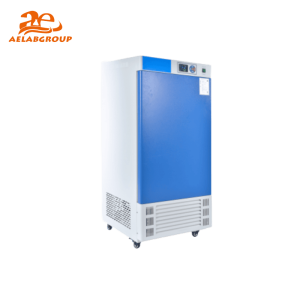
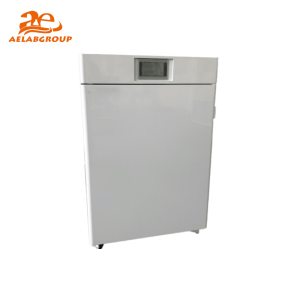
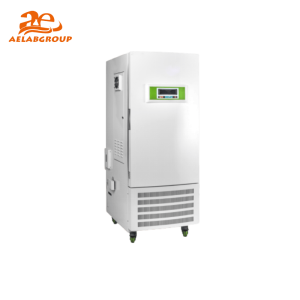
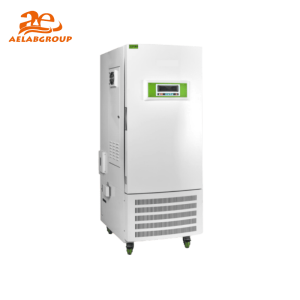
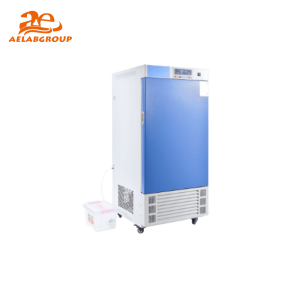
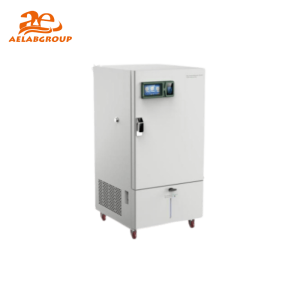
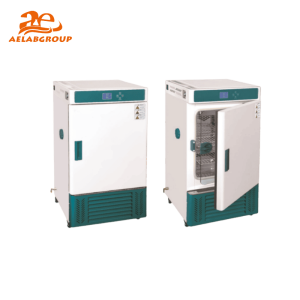
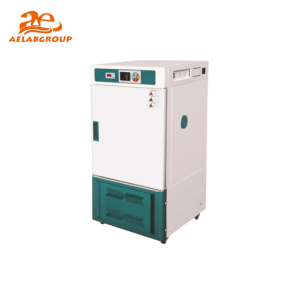
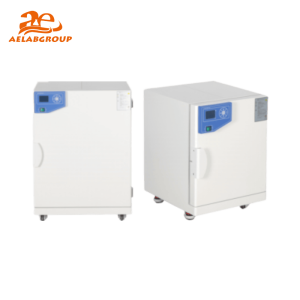
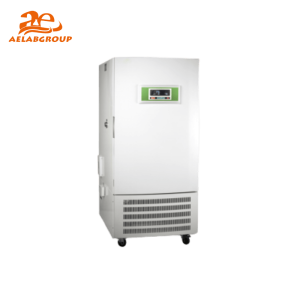
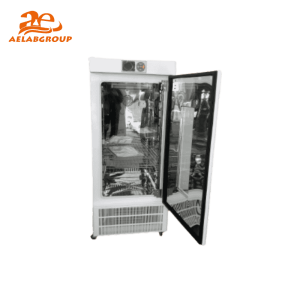
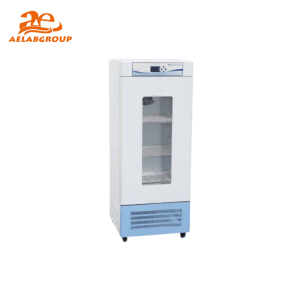
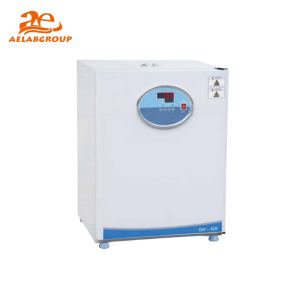
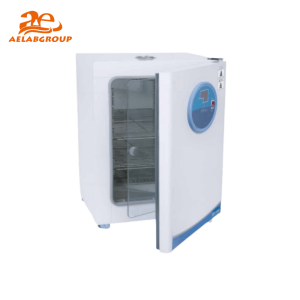
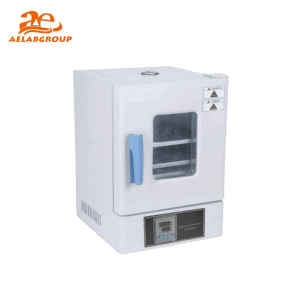
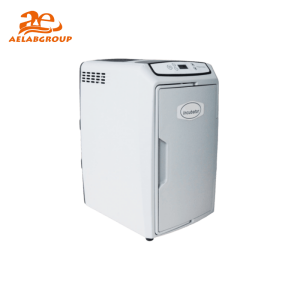
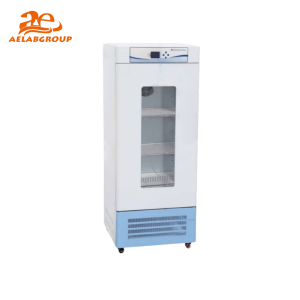
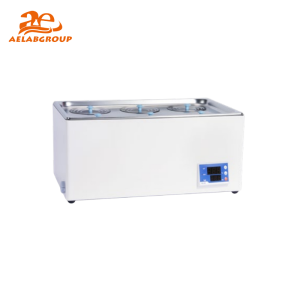
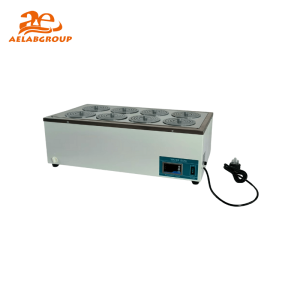
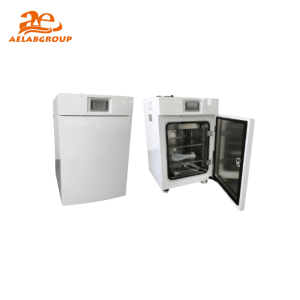
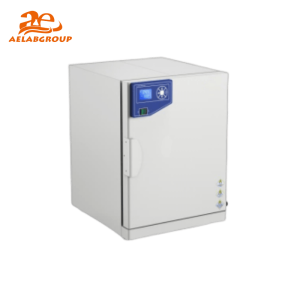
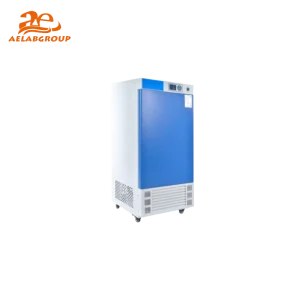
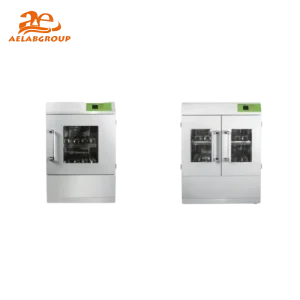
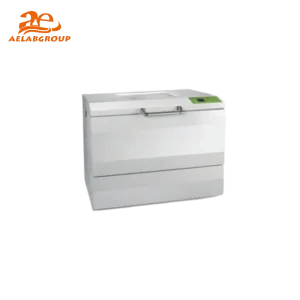
- Laboratory Thermostat Controller for incubators and chambers
Technical Features and Specifications
| Feature |
Details |
| Temperature Range |
Typically -40°C to +300°C depending on model and application |
| Accuracy |
±0.1°C to ±1°C for digital and lab-grade units |
| Sensor Type |
Thermistor, RTD (Pt100), or thermocouple |
| Control Output |
Relay, SSR, analog 4–20 mA, or modulated control |
| Display |
Digital or touchscreen with LED/LCD indicators |
| Programmability |
Single or multi-point scheduling; programmable setpoints |
| Connectivity |
Wi-Fi, Bluetooth, RS-485, Modbus, or Ethernet options |
| Power Supply |
Battery, AC mains (110–240V), or hybrid |
Benefits
- Delivers consistent, automatic temperature regulation.
- Enhances energy efficiency and system longevity.
- Improves comfort, safety, and product stability.
- Offers programmable and remote control features for convenience.
- Supports integration with smart or industrial automation systems.
Applications and Tests
🔬 Molecular Biology
- Temperature control in PCR thermocyclers
- Incubator regulation for cell and bacterial cultures
- Maintaining consistent conditions in sample storage units
🧪 Clinical Diagnostics
- Regulation of blood analyzers and reagents
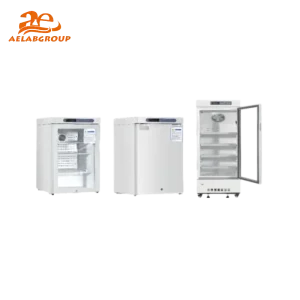
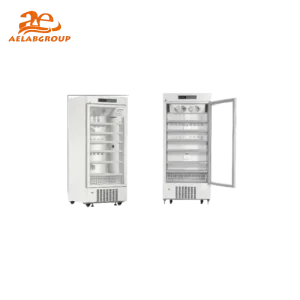
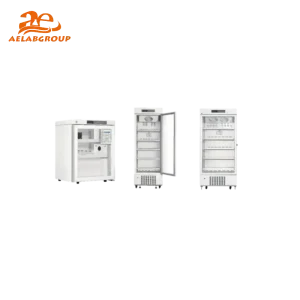
- Ensuring stability in medical refrigerators and freezers
- Temperature monitoring in laboratory instruments
🏭 Industrial & Food Testing
- Oven and kiln control for manufacturing processes
- Thermal management in food storage and cooking systems
- HVAC and production line process monitoring
🌱 Environmental & Agricultural Labs
- Greenhouse temperature stabilization
- Climate chambers for plant growth experiments
- Environmental monitoring for humidity and temperature balance
Thermostat Equipment vs. Manual Temperature Control
| Aspect |
Thermostat Equipment |
Manual Temperature Control |
| Control Precision |
Automatic, high precision regulation |
Low precision, human-dependent |
| Energy Efficiency |
Optimized via feedback loops and smart algorithms |
Typically inefficient and variable |
| Ease of Use |
Minimal user intervention after setup |
Continuous monitoring required |
| Best Use Case |
Homes, labs, industrial and medical systems |
Low-priority or emergency situations |
| Cost Efficiency |
Saves energy and reduces long-term costs |
Higher energy and maintenance costs |
Expert Tips for Choosing the Right Thermostat Equipment
- Define your application—domestic, industrial, or laboratory precision control.
- Ensure the temperature range and accuracy suit your environment.
- Opt for models with remote monitoring, alarms, and data logging for critical use.
- Verify compatibility with existing HVAC or process control systems.
- Balance features with ease of installation and long-term maintenance needs.
Maintenance Best Practices
- Calibrate temperature sensors periodically to maintain accuracy.
- Inspect wiring, relays, and connectors for wear or corrosion.
- Clean and check housing and displays to prevent dust interference.
- Test alarm and control functions regularly for reliability.
- Update firmware or software to ensure secure, efficient operation.
FAQ
Q: What is thermostat equipment used for?
A: Thermostat equipment regulates temperature automatically in homes, laboratories, and industries by sensing temperature and controlling heating or cooling systems to maintain a setpoint.
Q: What’s the difference between mechanical and digital thermostats?
A: Mechanical thermostats use bimetallic strips for simple control, while digital models use electronic sensors for higher accuracy and programmability.
Q: Can smart thermostats reduce energy costs?
A: Yes. Smart thermostats optimize heating and cooling schedules and provide remote control, often cutting energy usage significantly over time.
Q: How often should a thermostat be calibrated?
A: Calibration is recommended annually for residential devices and more frequently in laboratory or industrial applications where precision is critical.




-300x300.webp)