
AELAB | Themostat Equipment | Shaker Incubator
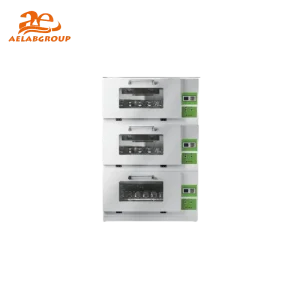
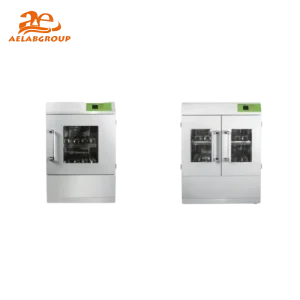
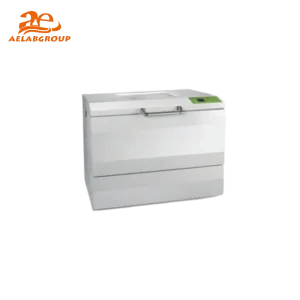
A Shaker Incubator is a cornerstone instrument in modern research and industrial laboratories, combining precise temperature control with continuous shaking motion. Designed for cultivating cells, bacteria, and yeast, it provides the perfect environment for uniform aeration, nutrient distribution, and consistent growth. These incubators are indispensable in microbiology, molecular biology, biopharma, and fermentation research.
A Shaker Incubator is a laboratory device that integrates temperature regulation with a mechanical shaking platform. It maintains a stable thermal environment while providing orbital or reciprocal agitation for continuous mixing and aeration of cultures. This ensures optimal cell growth, improved oxygen transfer, and uniform medium composition for reproducible experimental outcomes.
| Feature | Specification |
|---|---|
| Temperature Range | 4°C to 60°C (model-dependent) |
| Temperature Uniformity | ±0.5°C with PID control |
| Shaking Speed Range | 20–300 RPM (adjustable) |
| Motion Type | Orbital or reciprocal motion (depending on model) |
| Orbit Diameter | Typically 19–50 mm |
| Platform Capacity | Holds multiple flasks (50 mL to 5 L) |
| Timer & Alarms | Programmable operation with safety alerts |
| Display | Digital or touchscreen control for temperature and speed |
| Noise Level | Typically <60 dB for quiet lab operation |
| Aspect | Shaker Incubator | Static Incubator |
|---|---|---|
| Motion | Yes (orbital or reciprocal shaking) | No motion |
| Oxygenation | High, ensures aeration | Low, diffusion-limited |
| Growth Speed | Faster due to enhanced mixing | Slower |
| Use Case | Dynamic cultures (bacteria, yeast, cell lines) | Static cultures or plate incubation |
| Cost | Higher (mechanical motion) | Lower |
Q: What is the purpose of a shaker incubator?
A: It provides controlled temperature and agitation for cultivating microorganisms and cells requiring oxygenation and uniform mixing.
Q: What’s the difference between orbital and reciprocal motion?
A: Orbital motion moves cultures in a circular path, ideal for aeration; reciprocal motion moves back-and-forth, better for gentle mixing.
Q: How do I prevent uneven shaking?
A: Balance flasks symmetrically on the platform and avoid overloading; check clamp alignment before starting.
Q: Can I use shaker incubators for anaerobic cultures?
A: No, shaker incubators are designed for oxygenated environments; anaerobic cultures require sealed anaerobic incubators or jars.
Q: How often should maintenance be done?
A: Inspect and service mechanical components every 6–12 months, and calibrate controls quarterly for accuracy.
Looking for specific lab equipment? Fill out the form below, and our team will get back to you with detailed information and a personalized quote.



-300x300.webp)