AELAB | Agricultural Testing Instruments
Laboratory agricultural testing instruments are essential tools for modern farming, providing accurate data on soil, water, and plant health. These instruments support sustainable agriculture by enabling precise monitoring and informed decision-making. As global food demands rise, reliable testing instruments help farmers and researchers enhance productivity and maintain ecological balance.
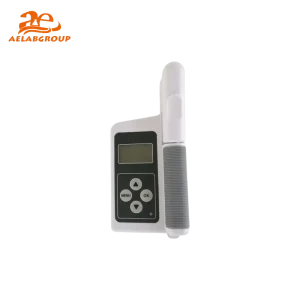
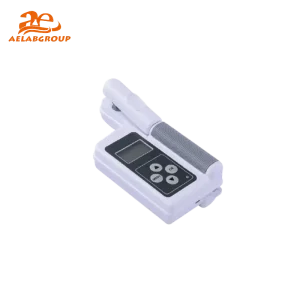
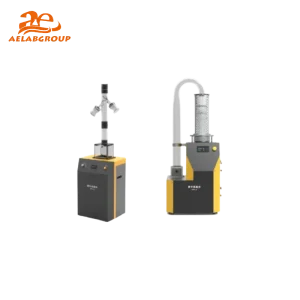
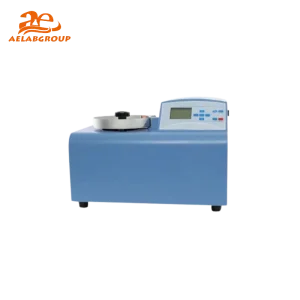
Laboratory agricultural testing instruments are specialized analytical devices used to measure soil composition, water quality, plant nutrients, and environmental conditions. They help detect contaminants, assess fertility levels, and ensure that crops grow under optimal conditions. These instruments are vital for precision farming, sustainable land management, and agricultural research.
| Feature | Details |
|---|---|
| Measurement Parameters | Soil pH, EC, DO, nutrient content (N, P, K), turbidity, chlorophyll, and pesticide residues |
| Accuracy | High precision readings suitable for laboratory analysis |
| Display Type | Digital LCD or touchscreen interfaces |
| Sample Type | Soil, water, plant extracts, and food samples |
| Detection Range | Wide dynamic range for micro to macro nutrient analysis |
| Power Source | AC-powered or rechargeable battery options |
| Data Output | USB or wireless data logging for traceability |
| Calibration | Automatic or manual calibration modes |
| Aspect | Laboratory Testing | Field Testing |
|---|---|---|
| Accuracy | High precision results suitable for research and QC | Moderate, suitable for on-site assessments |
| Portability | Limited, fixed laboratory setups | Highly portable and user-friendly |
| Expertise Required | Trained personnel needed for complex analysis | Basic training sufficient |
| Cost | Higher investment with long-term accuracy | Lower initial cost, less precision |
| Applications | Research, quality control, compliance testing | On-site crop and soil monitoring |
Q: What are the main types of laboratory agricultural testing instruments?
A: Common instruments include soil pH and nutrient analyzers, EC and DO meters for water, spectrophotometers for plant analysis, and chromatography systems for pesticide detection.
Q: How often should agricultural testing instruments be calibrated?
A: Instruments should be calibrated before each testing cycle or according to manufacturer guidelines to ensure accuracy.
Q: Why are laboratory tests preferred over field tests?
A: Laboratory tests provide higher precision, detailed chemical analysis, and compliance verification, making them ideal for research and regulatory assessments.
Q: Can these instruments help improve crop yield?
A: Yes, by providing accurate data on nutrient levels and water quality, these instruments help farmers make informed decisions to optimize crop growth and productivity.
Looking for specific lab equipment? Fill out the form below, and our team will get back to you with detailed information and a personalized quote.



-300x300.webp)