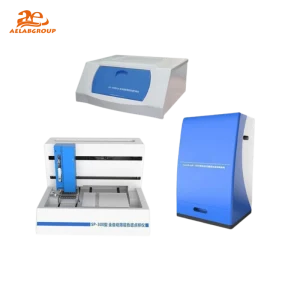
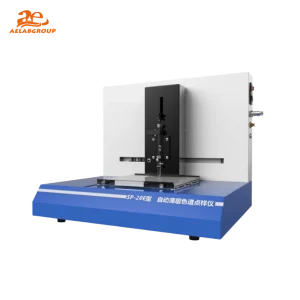
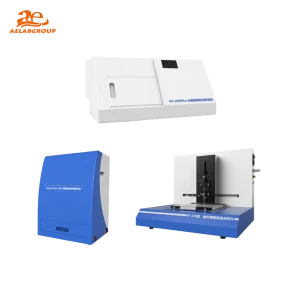
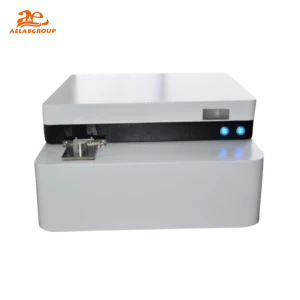
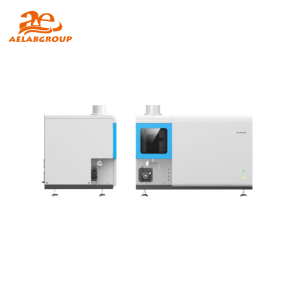
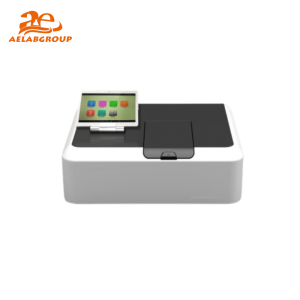
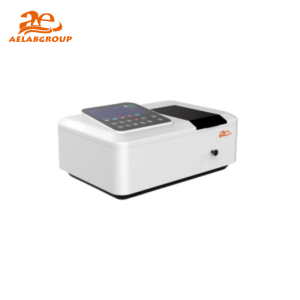
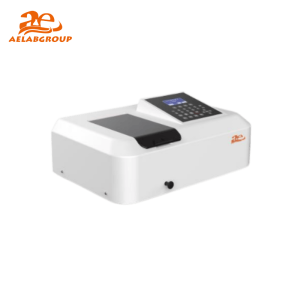
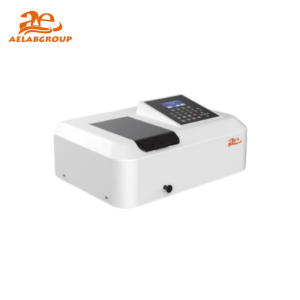
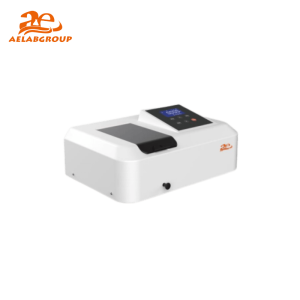
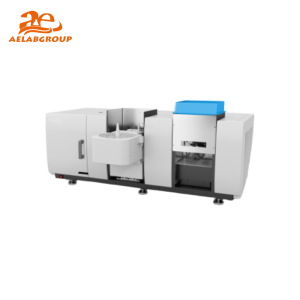
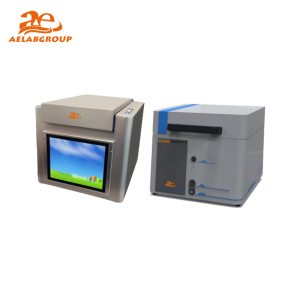
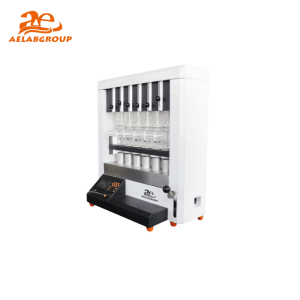
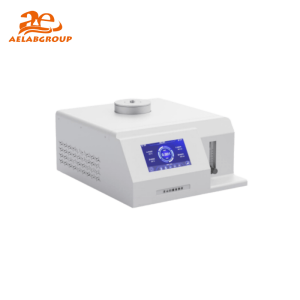
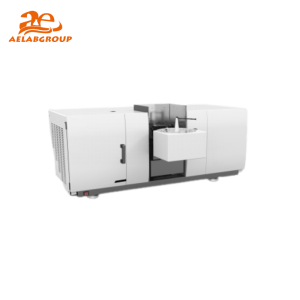
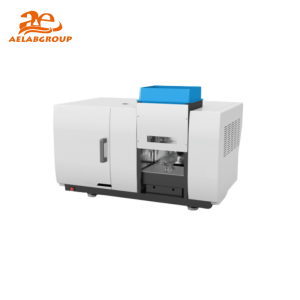
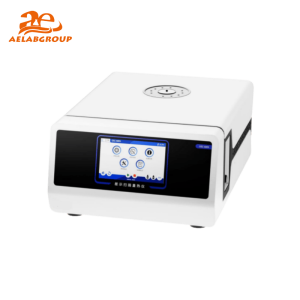
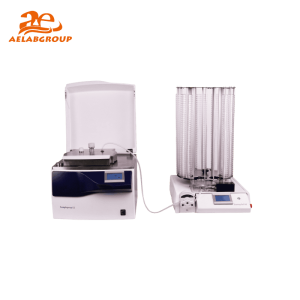
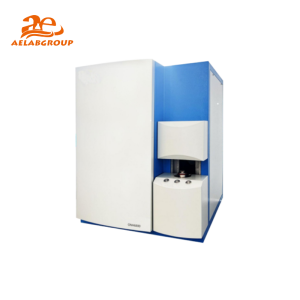
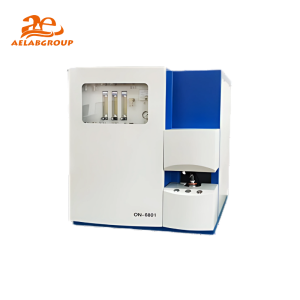
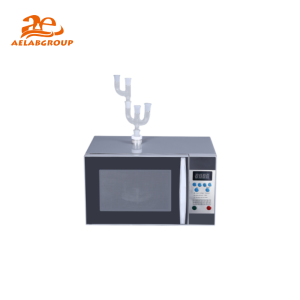
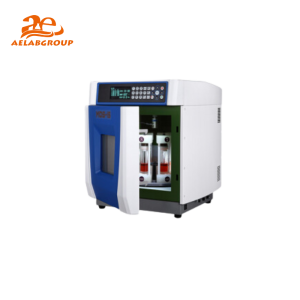
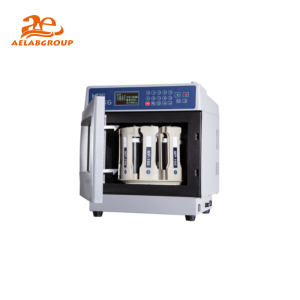
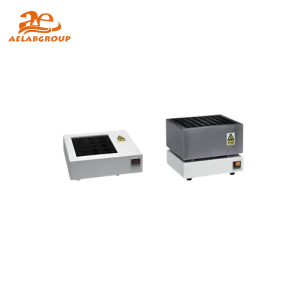
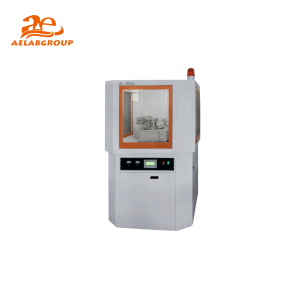
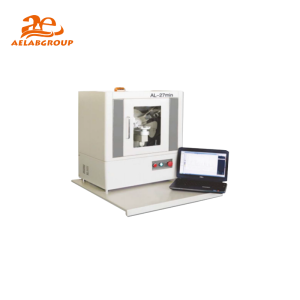
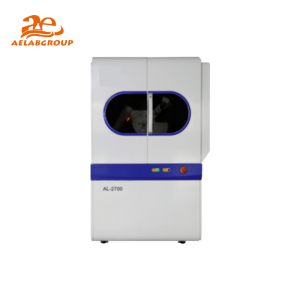
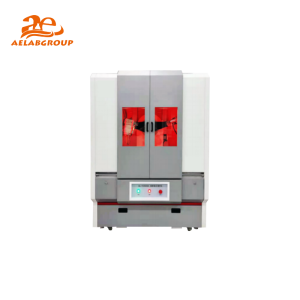
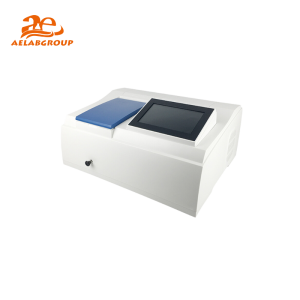
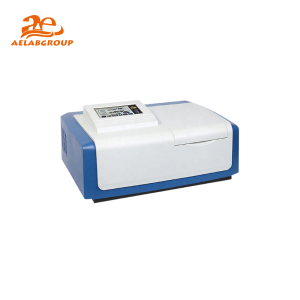
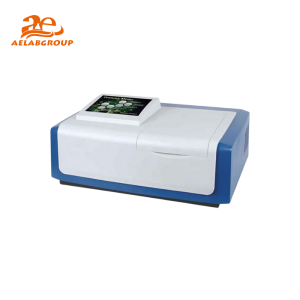
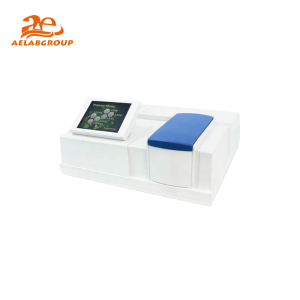
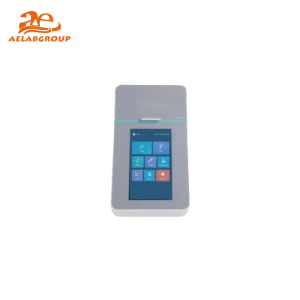
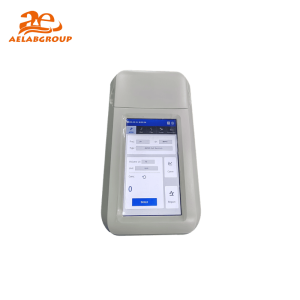
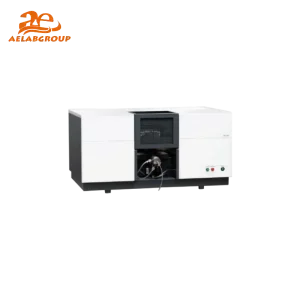
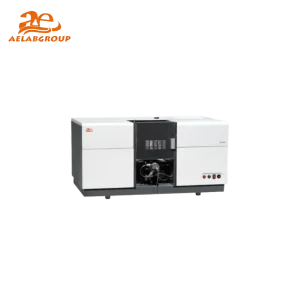
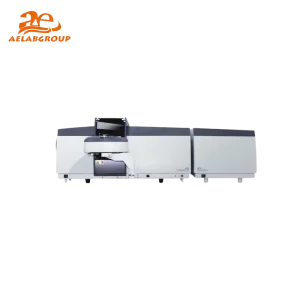
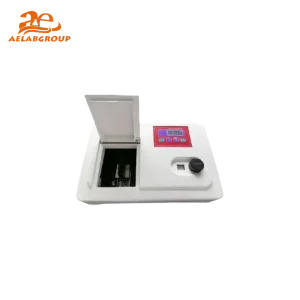
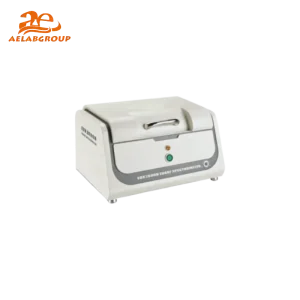
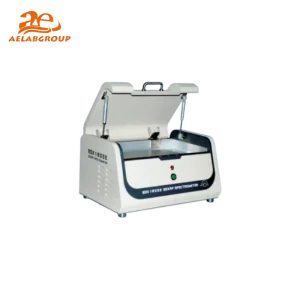
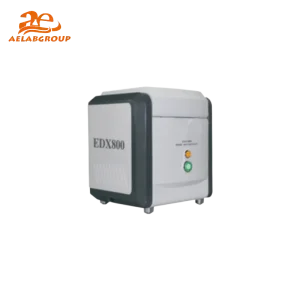
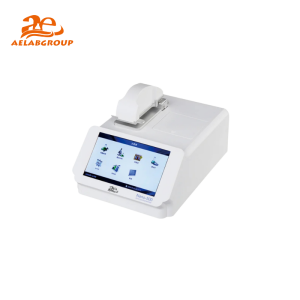
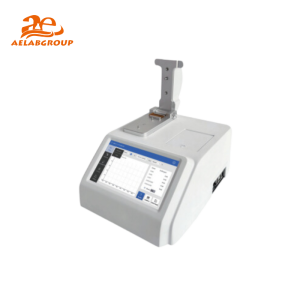
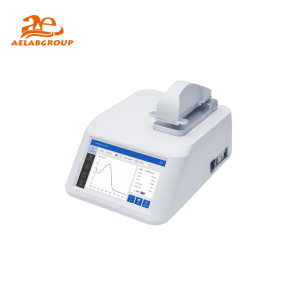
Analytical Equipment
Introduction
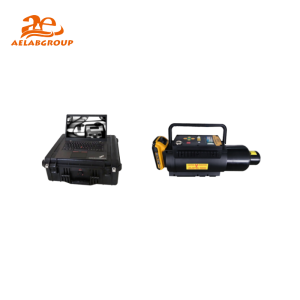
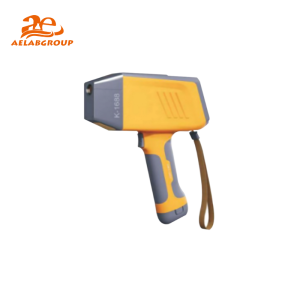
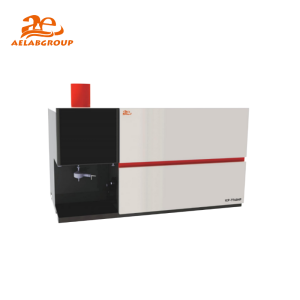
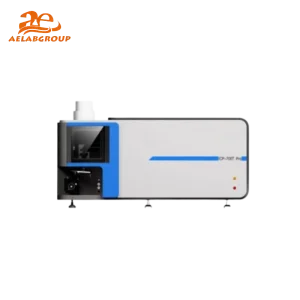
Analytical Equipment plays a vital role in modern science and industry by providing the precision and accuracy needed for reliable research, manufacturing, and quality control. From pharmaceuticals to environmental testing, analytical equipment ensures compliance, innovation, and data integrity. Investing in the right analytical instruments empowers laboratories to transform samples into actionable scientific insights.
What Is Analytical Equipment?
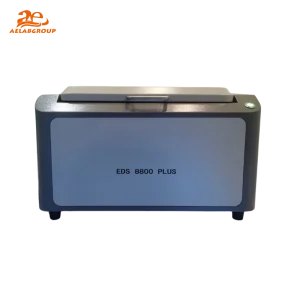
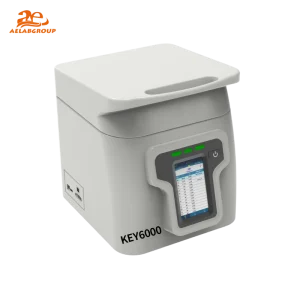
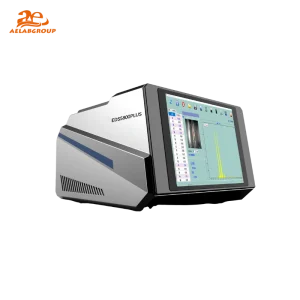
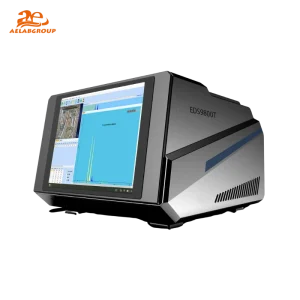
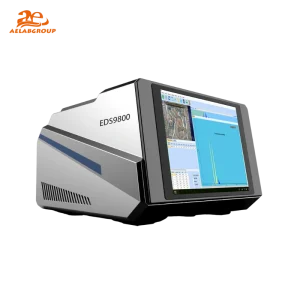
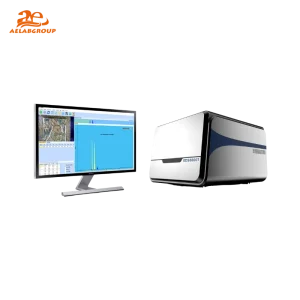
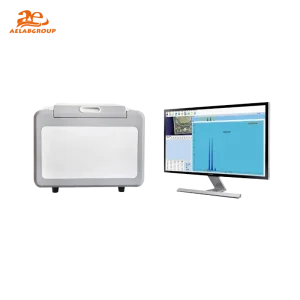
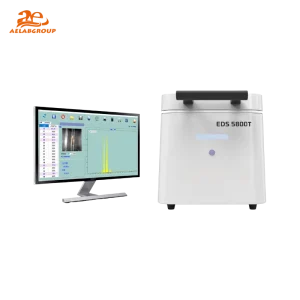
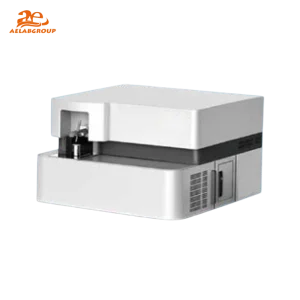
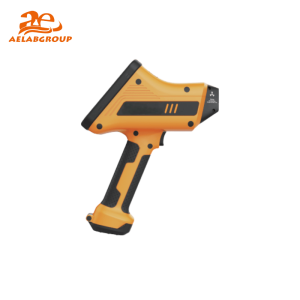
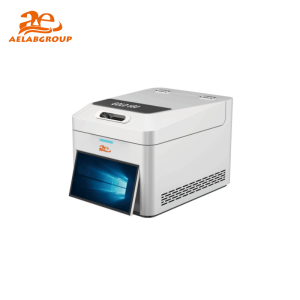
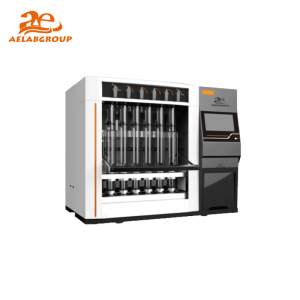
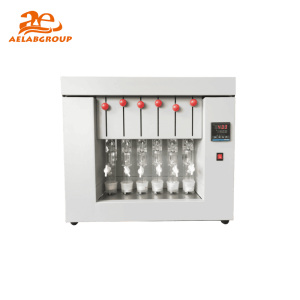
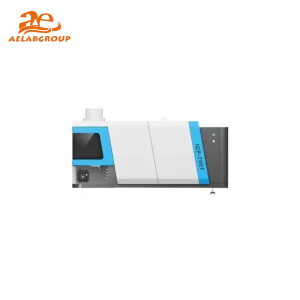
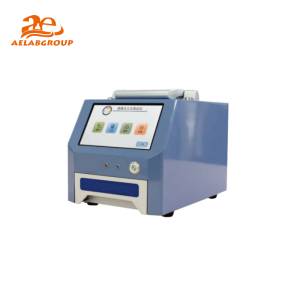
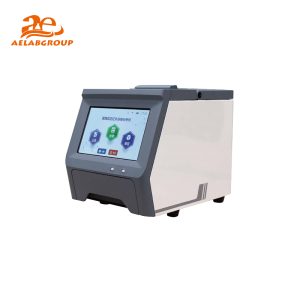
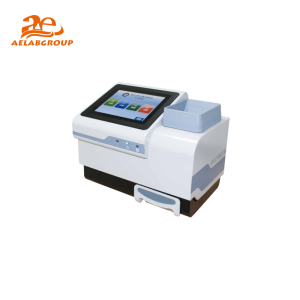
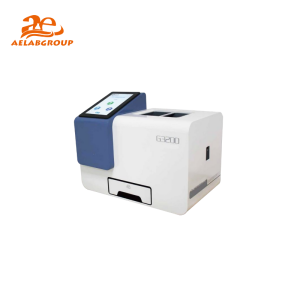
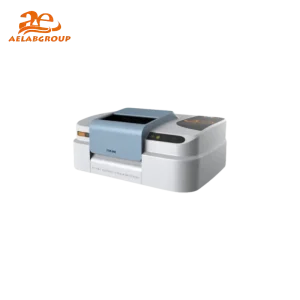
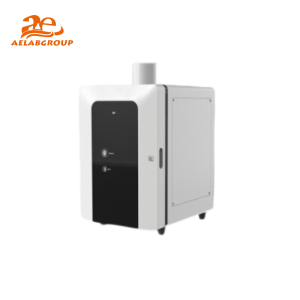
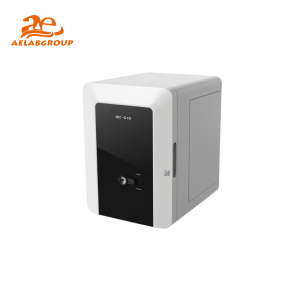
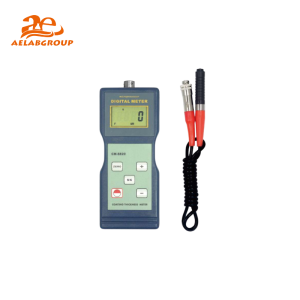
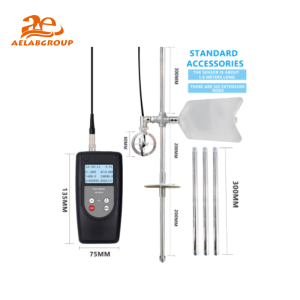
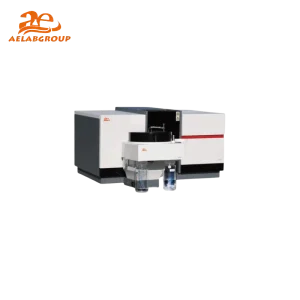
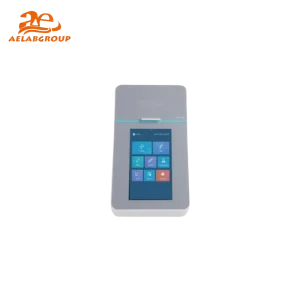
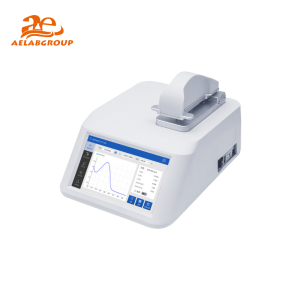
Analytical Equipment refers to instruments used to measure, identify, quantify, and analyze the physical or chemical properties of materials. Techniques such as spectroscopy, chromatography, microscopy, and electrochemical analysis enable scientists to investigate materials at molecular and atomic levels, turning raw data into meaningful results for research and industrial applications.
Devices in This Category
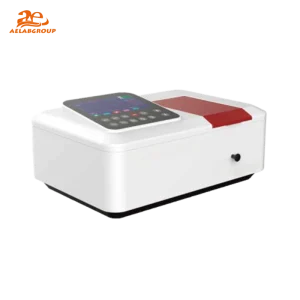
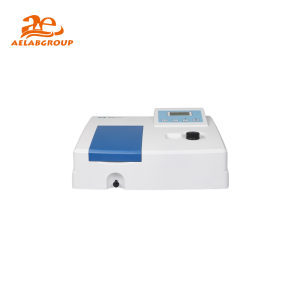
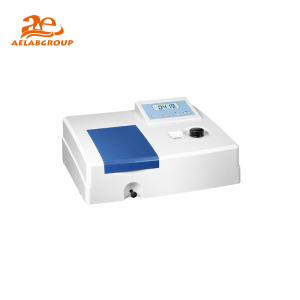
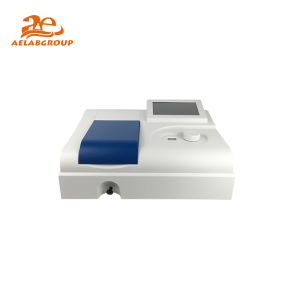
- UV-Vis and FTIR Spectrophotometers
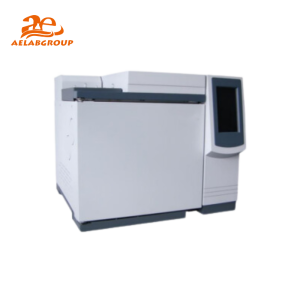
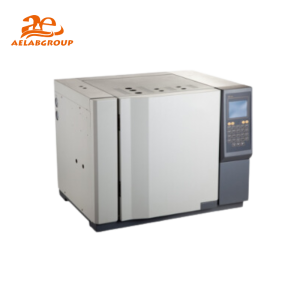
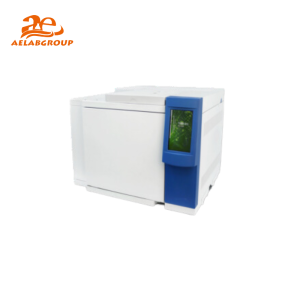
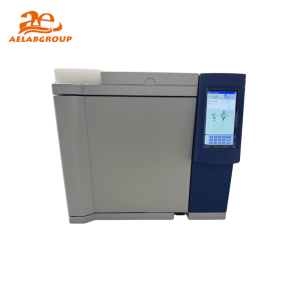
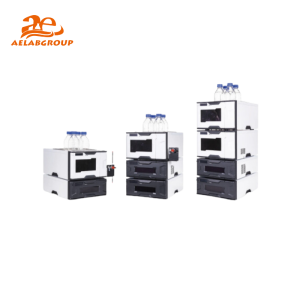
- Gas and Liquid Chromatographs (GC, HPLC)
- Scanning and Transmission Electron Microscopes (SEM, TEM)
- pH Meters and Potentiostats
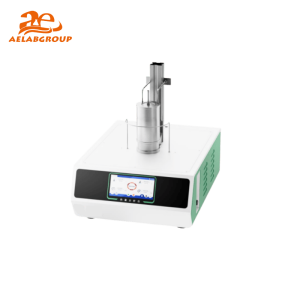
- Thermogravimetric Analyzers (TGA) and Differential Scanning Calorimeters (DSC)
- Rheometers and Conductivity Meters
Technical Features and Specifications
| Feature |
Details |
| Sensitivity |
Detects trace concentrations and low-level signals |
| Accuracy & Precision |
Ensures repeatable and reliable data output |
| Measurement Range |
Supports broad sample concentration or property ranges |
| Throughput |
Allows multiple samples to be analyzed per hour |
| Automation Level |
Manual, semi-automatic, or fully automated operation |
| Data Integration |
Compatible with LIMS or ERP systems for efficient reporting |
| User Interface |
Modern touchscreen or software-based control options |
| Maintenance |
Routine calibration ensures consistent performance |
Benefits
- Delivers highly precise and reproducible analytical results
- Supports regulatory compliance across industries
- Reduces analysis time through automation and data integration
- Enhances product quality and safety monitoring
- Drives innovation in scientific and industrial research
- Improves efficiency in laboratory workflows
Applications and Tests
🔬 Molecular Biology
- Protein and nucleic acid quantification using spectroscopy
- Chromatographic separation of biomolecules
- Microscopic imaging of cellular and subcellular structures
🧪 Clinical Diagnostics
- Blood and serum analysis for biomarkers
- Drug stability and purity testing
- Electrochemical assays for point-of-care diagnostics
🏭 Industrial & Food Testing
- Quality control of raw materials and finished products
- Contaminant detection in food and beverages
- Material property testing in polymers and alloys
🌱 Environmental & Agricultural Labs
- Air, water, and soil pollution analysis
- Nutrient profiling in fertilizers and crops
- Trace metal and organic pollutant detection
Analytical Equipment vs. General Laboratory Equipment
| Aspect |
Analytical Equipment |
General Laboratory Equipment |
| Primary Function |
Quantitative and qualitative analysis |
Sample preparation and basic lab operations |
| Examples |
Spectrometers, Chromatographs |
Centrifuges, Shakers, Ovens |
| Specialization |
Highly specialized, precision instruments |
General-purpose lab tools |
| User Skill Level |
Requires advanced training |
Basic laboratory skills |
| Cost and Maintenance |
High cost; periodic calibration |
Moderate cost; minimal upkeep |
Expert Tips for Choosing the Right Analytical Equipment
- Define your analytical goals and match equipment to application requirements.
- Evaluate data management and software integration capabilities.
- Assess ease of maintenance and service support availability.
- Ensure operator training and certification programs are accessible.
- Consider the total cost of ownership, including consumables and energy use.
Maintenance Best Practices
- Perform routine calibration and validation of instruments.
- Keep equipment clean and free from dust or residues.
- Follow manufacturer-recommended service intervals.
- Update software and firmware to ensure data accuracy.
- Document all maintenance activities for quality assurance compliance.
FAQ
Q: What is analytical equipment used for?
A: Analytical equipment is used to measure and analyze the chemical, physical, or biological properties of materials, ensuring reliable data for research, quality control, and regulatory compliance.
Q: How do analytical instruments differ from general lab tools?
A: Analytical instruments provide precise quantitative or qualitative analysis, while general lab tools handle sample preparation or support processes.
Q: What factors should be considered before purchasing analytical equipment?
A: Key factors include application fit, sensitivity, data integration, ease of maintenance, and overall cost of ownership.
Q: What are the main challenges in using analytical equipment?
A: Challenges include high acquisition costs, need for skilled operators, and regular calibration to maintain accuracy.
Q: Which industries rely most on analytical equipment?
A: Pharmaceuticals, environmental monitoring, food safety, materials science, and healthcare all depend heavily on analytical instruments for quality and innovation.