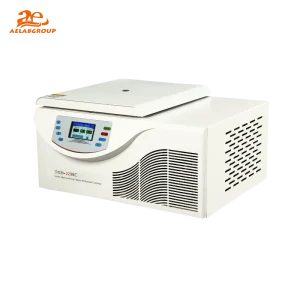
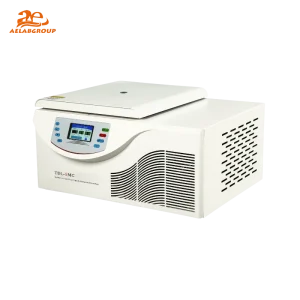
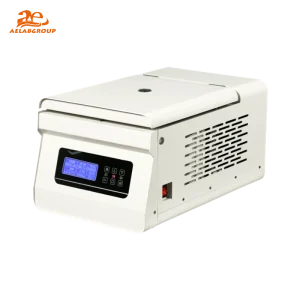
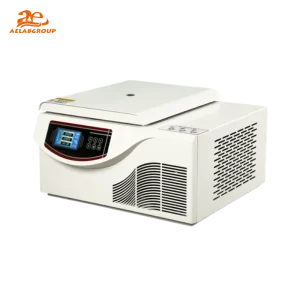
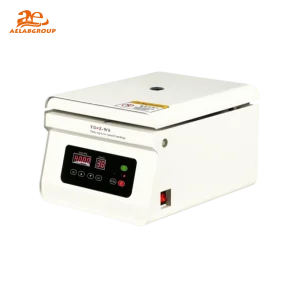
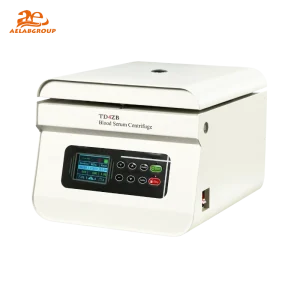
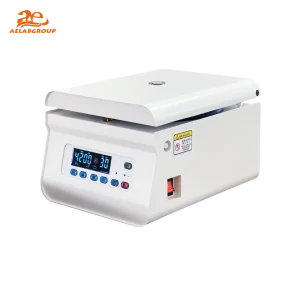
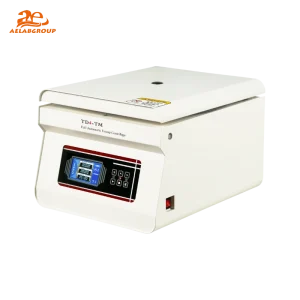
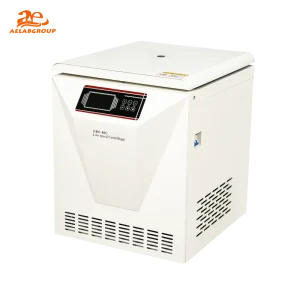
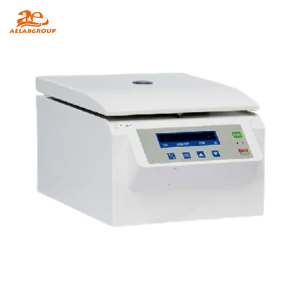
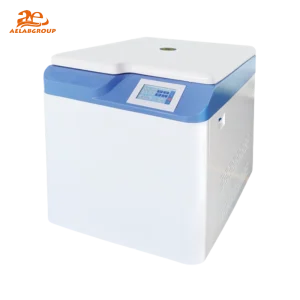
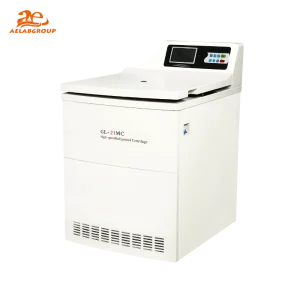
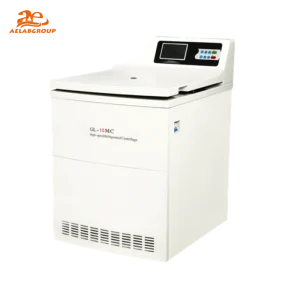
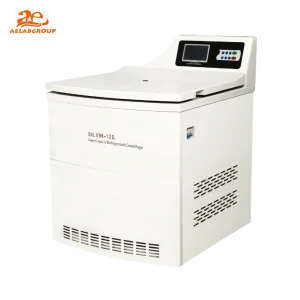
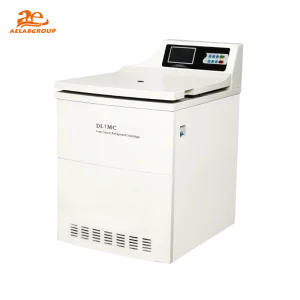
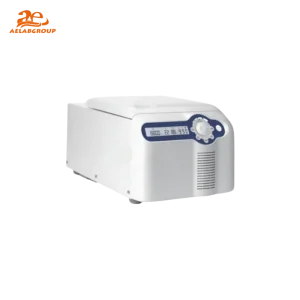
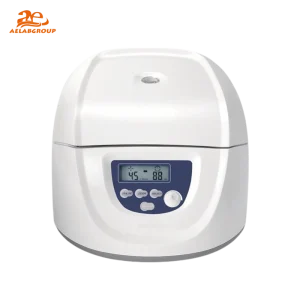
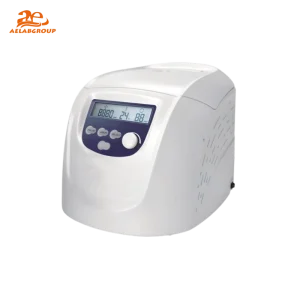
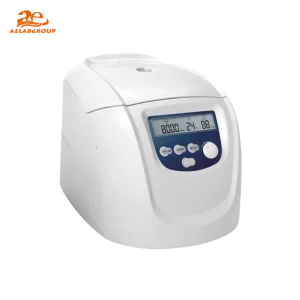
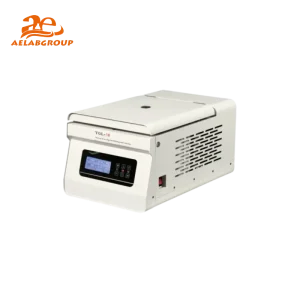
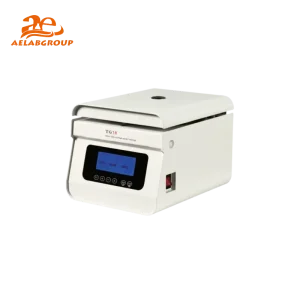
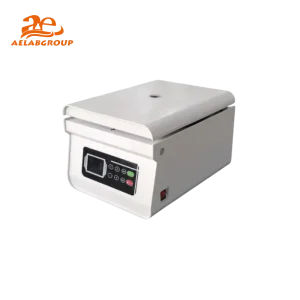
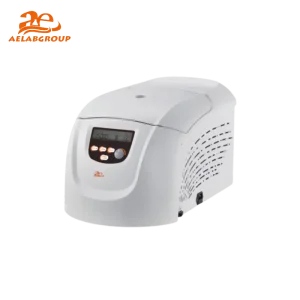
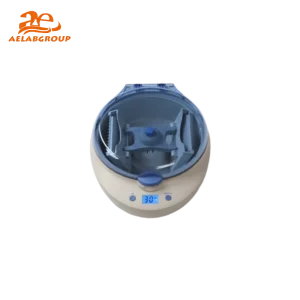
Laboratory Centrifuge
Introduction
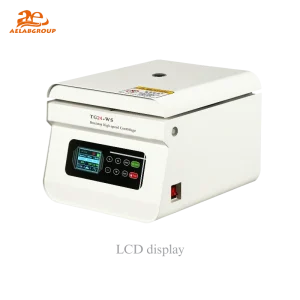
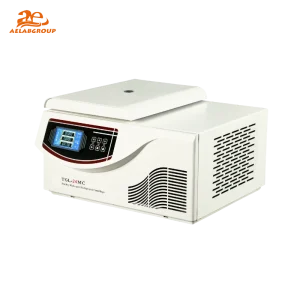
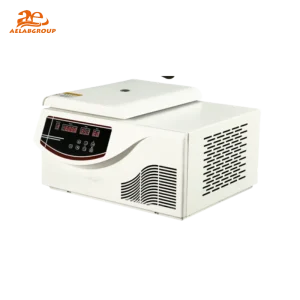
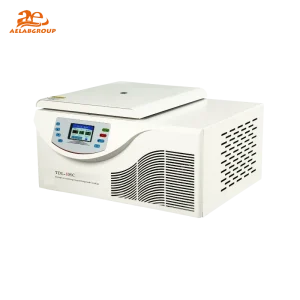
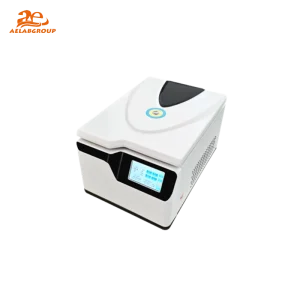
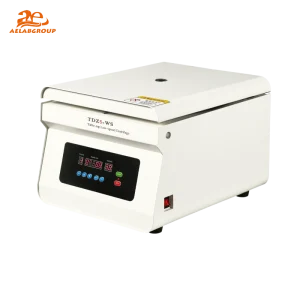
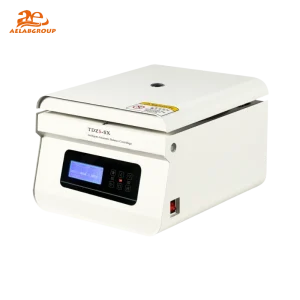
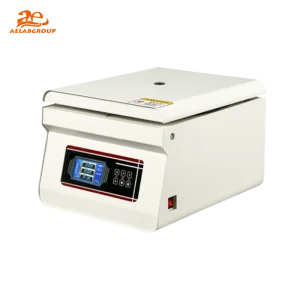
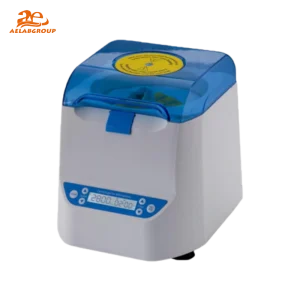
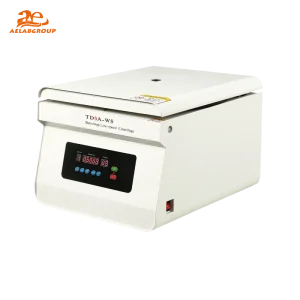
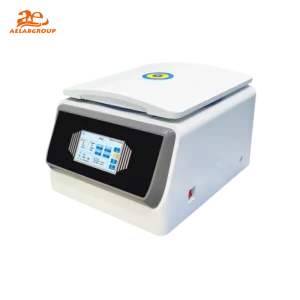
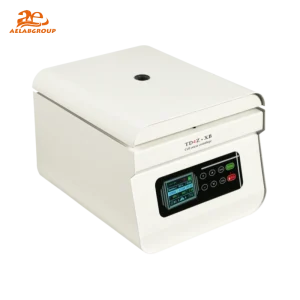
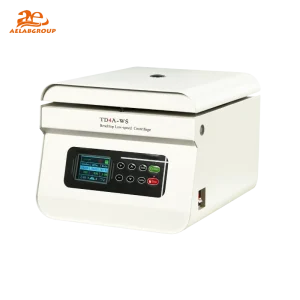
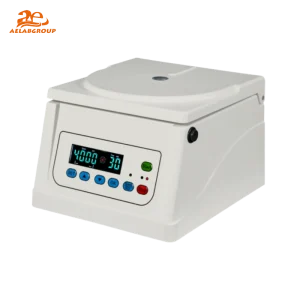
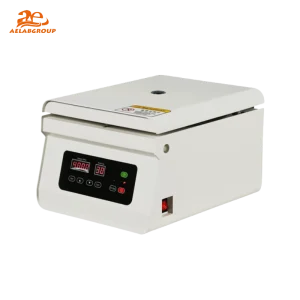
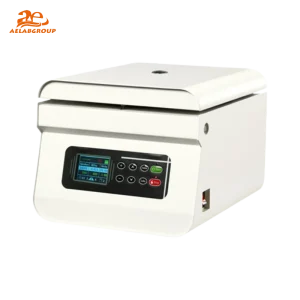
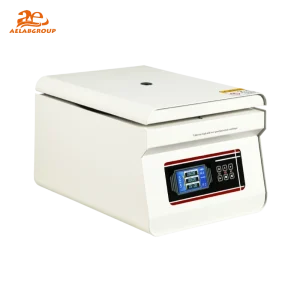
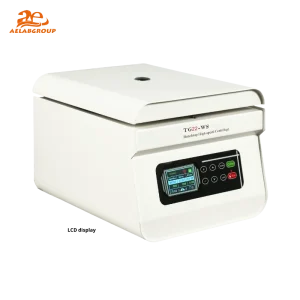
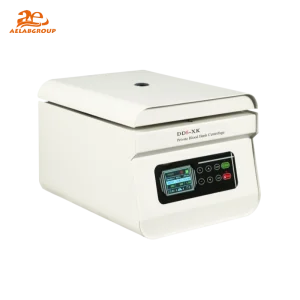
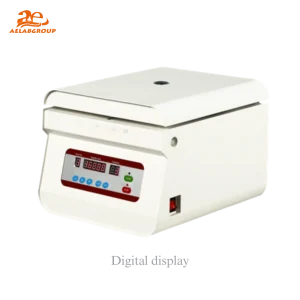
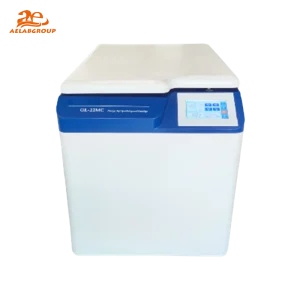
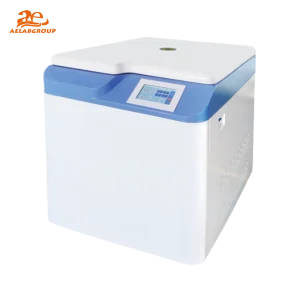
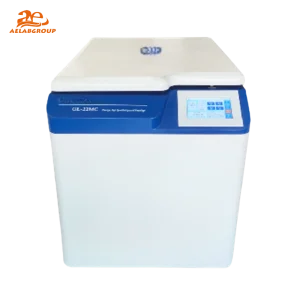
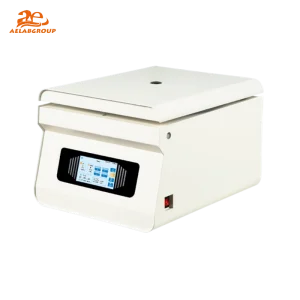
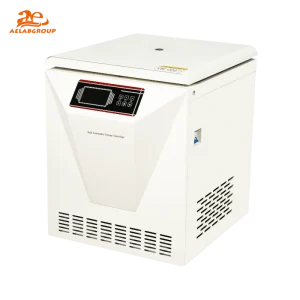
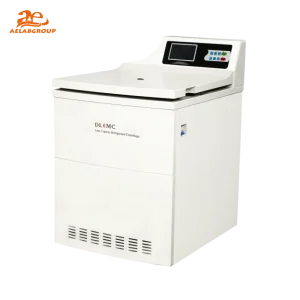
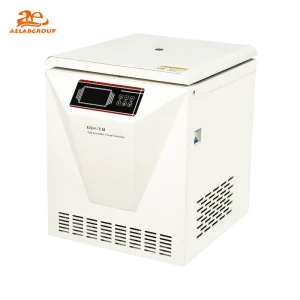
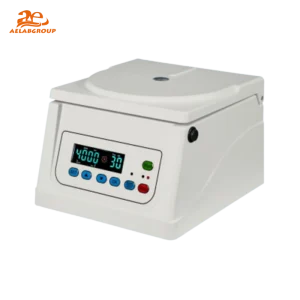
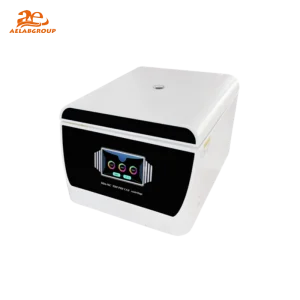
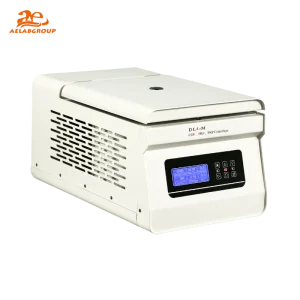
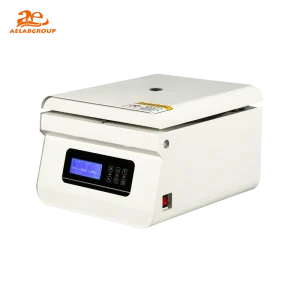
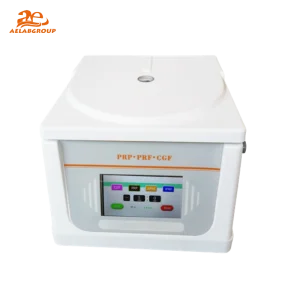
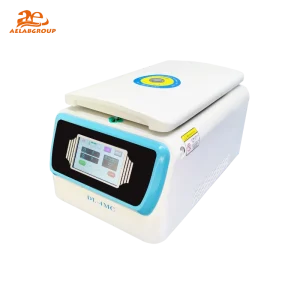
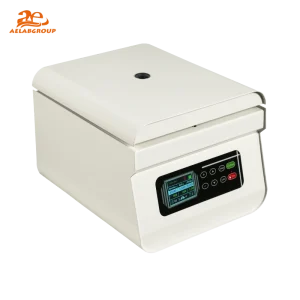
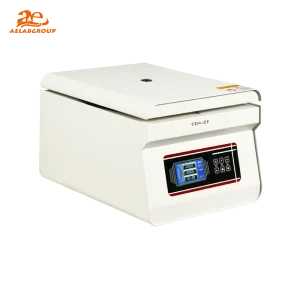
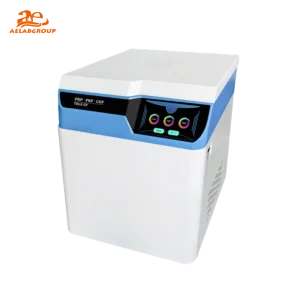
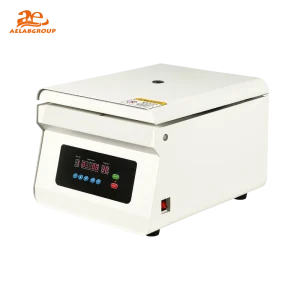
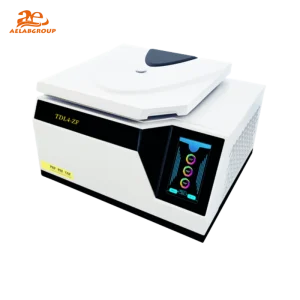
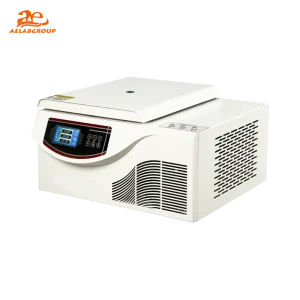
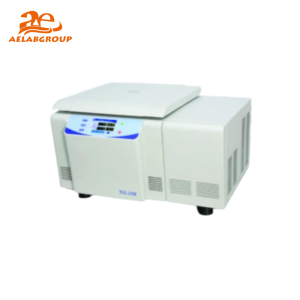
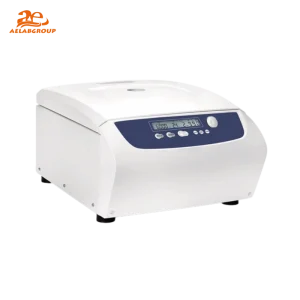
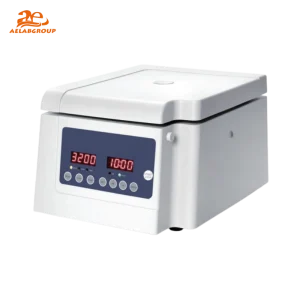
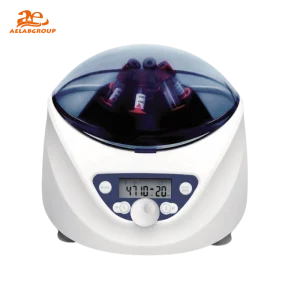
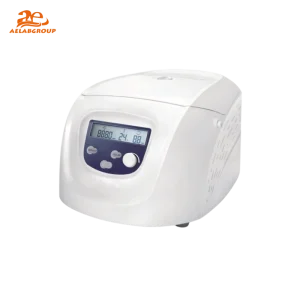
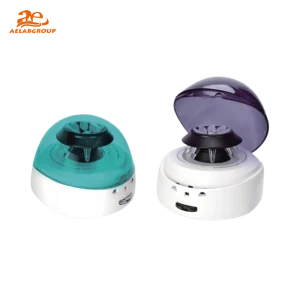
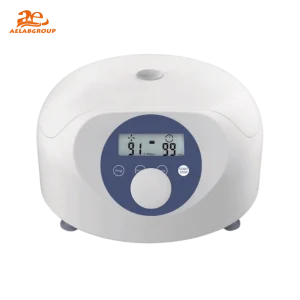
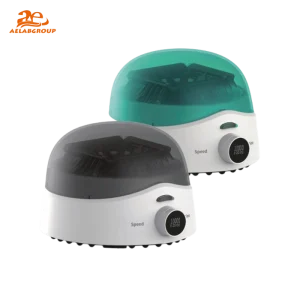
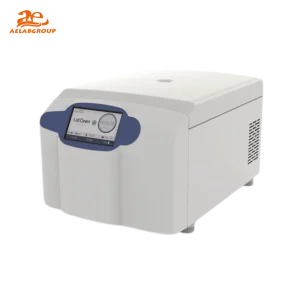
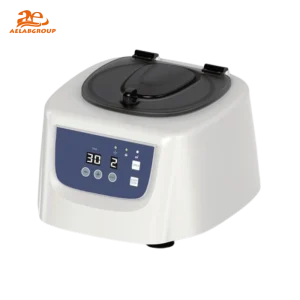
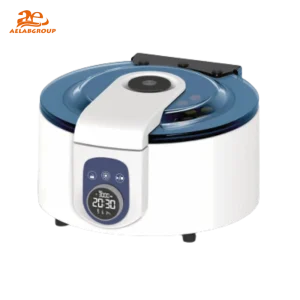
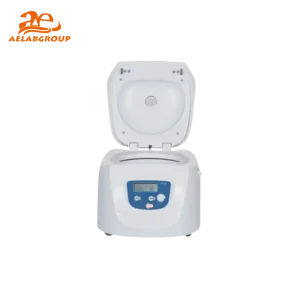
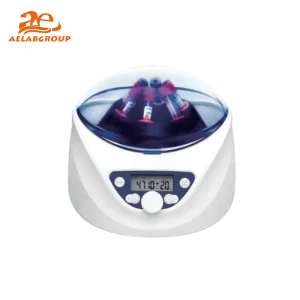
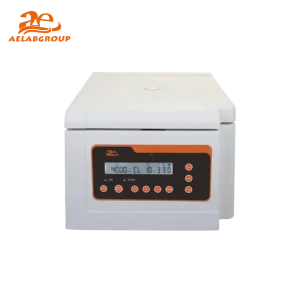
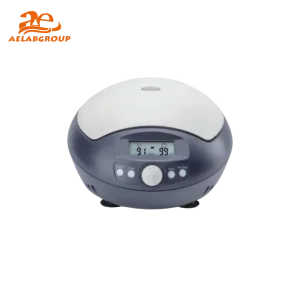
A laboratory centrifuge is a vital instrument used for separating sample components by applying centrifugal force. Commonly used in medical diagnostics, biotechnology, pharmaceuticals, and chemistry, it provides accurate and efficient separation essential for research and analysis workflows.
What Is a Laboratory Centrifuge?
A laboratory centrifuge spins liquid samples at high speed to separate particles or phases according to density. This process supports applications such as blood separation, DNA extraction, and cell fractionation. Equipped with fixed-angle or swing-bucket rotors, centrifuges enable precise, reproducible separations for biological, chemical, and industrial research tasks.
Devices in This Category
- Microcentrifuges
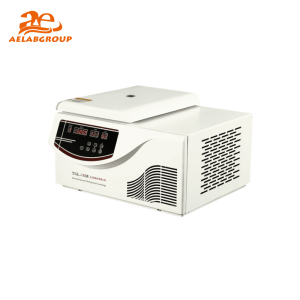
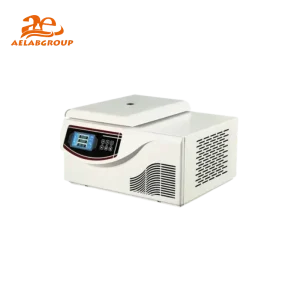
- Refrigerated centrifuges
- High-speed centrifuges
- Ultracentrifuges
- Clinical centrifuges
- Benchtop centrifuges
Technical Features and Specifications
| Feature |
Details |
| Speed Range |
Up to 30,000 RPM depending on model |
| Relative Centrifugal Force (RCF) |
Up to 70,000 × g for ultracentrifuges |
| Rotor Type |
Fixed-angle and swing-bucket options |
| Capacity |
From 0.5 mL microtubes to 500 mL bottles |
| Temperature Control |
Refrigerated models: -20°C to +40°C |
| Display & Interface |
Digital control with programmable settings |
| Safety Features |
Lid lock, imbalance detection, auto shut-off |
Benefits
- Delivers precise and consistent sample separation
- Improves diagnostic accuracy and experimental efficiency
- Offers temperature control for sensitive samples
- Supports diverse research and clinical applications
- Ensures safety and reliability through digital monitoring
Applications and Tests
🔬 Molecular Biology
- DNA and RNA extraction
- Protein isolation and purification
- Cell fractionation for subcellular analysis
🧪 Clinical Diagnostics
- Serum and plasma separation from whole blood
- Urine sediment analysis
- Hematocrit determination
🏭 Industrial & Food Testing
- Quality control for emulsions and suspensions
- Fat and oil separation in food analysis
- Particle size distribution testing
🌱 Environmental & Agricultural Labs
- Clarification of soil and water samples
- Separation of microbial cultures from media
- Sample concentration for pollutant testing
Laboratory Centrifuge vs. Vortex Mixer
| Aspect |
Laboratory Centrifuge |
Vortex Mixer |
| Function |
Separates samples by density via centrifugal force |
Mixes liquid samples uniformly |
| Speed Range |
1,000–30,000 RPM |
Up to 3,000 RPM |
| Application |
Sample separation and purification |
Mixing reagents or suspensions |
| Temperature Control |
Available in refrigerated models |
Not applicable |
| Use Case |
Diagnostics, molecular biology, chemical separation |
Sample mixing and reagent blending |
Expert Tips for Choosing the Right Laboratory Centrifuge
- Choose a model with speed and rotor compatibility suited to your samples.
- Opt for refrigerated centrifuges for temperature-sensitive materials.
- Ensure the centrifuge includes imbalance detection and safety locking.
- Consider noise level, footprint, and ease of operation for routine use.
- Evaluate digital programming options for reproducibility in analysis.
Maintenance Best Practices
- Always balance samples before running the centrifuge.
- Clean rotors and chambers regularly with mild detergent.
- Inspect seals, lids, and buckets for wear or damage.
- Lubricate moving parts as per manufacturer instructions.
- Calibrate speed and temperature controls annually for accuracy.
FAQ
Q: What is the main principle behind a laboratory centrifuge?
A: It separates components based on density by spinning samples at high speed to generate centrifugal force.
Q: Which centrifuge is best for biological samples?
A: Refrigerated centrifuges are preferred for biological and temperature-sensitive samples.
Q: What’s the difference between fixed-angle and swing-bucket rotors?
A: Fixed-angle rotors hold tubes at a constant angle for faster separation, while swing-bucket rotors allow tubes to move horizontally, ideal for gradient separations.
Q: How do I ensure centrifuge safety?
A: Always balance loads, lock the lid before operation, and never open the centrifuge while it’s spinning.